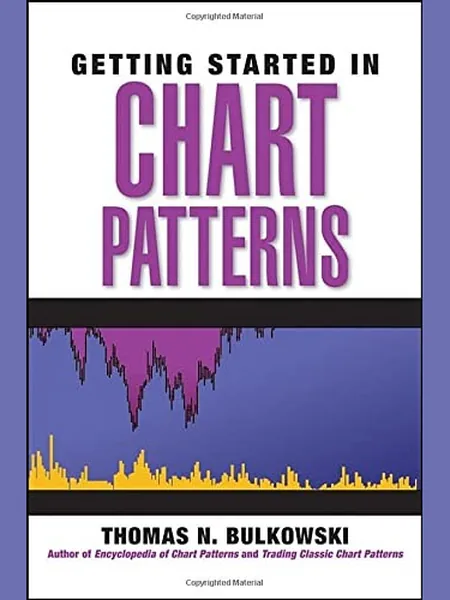
Getting Started in Chart Patterns
- Editions tracked
- 1
- First edition
- John Wiley & Sons, 2006
- Worth
- Not yet valued
Which edition do you have?
First edition
- 1st John Wiley & Sons2006 Other Not yet valued I own Getting Started in Chart Patterns, John Wiley & Sons 2006 Log in to want this
We have not yet researched the issue points for this book. If you know how to tell the first from later printings, tell us and we will credit you once it is checked against a second source.
More by Thomas N. Bulkowski
Questions about Getting Started in Chart Patterns
No questions yet. Not sure which edition you have, or whether a detail matters? Ask, and collectors will help.
Reviews of Getting Started in Chart Patterns
No reviews yet. Members can say what this book is like to read or collect.
Read it or own it? Share what Getting Started in Chart Patterns is like to read or collect.
Know what you are looking at
How to Identify a First Edition
To identify a first edition, check that your copy is the first printing of the first edition. Read the copyright …
Read the guide →6 min readBook Condition Grading: Fine to Poor Explained
Book condition grading uses a six-step trade scale: Fine, Near Fine, Very Good, Good, Fair and Poor. Collectors grade the …
Read the guide →7 min readDust Jackets Explained: Why the Jacket Drives a Book's Value
For most books published since the 1920s, the original dust jacket carries a large share of the value, often most …
Read the guide →Frequently asked questions
Who published the first edition of Getting Started in Chart Patterns?
The first edition of Getting Started in Chart Patterns by Thomas N. Bulkowski was published in Hoboken, N.J by John Wiley & Sons in 2006.
How many editions of Getting Started in Chart Patterns are there?
We track 1 edition of Getting Started in Chart Patterns, including 1 first edition. Each has its own page with how to identify it.
How can I tell if my copy of Getting Started in Chart Patterns is a first edition?
Check the title page and its reverse (the copyright page) against the edition: publisher, place and date should match, with no later printing or edition stated. Where we know the issue points, they are listed on the edition's page.