Robin Preiss Glasser
Robin Preiss Glasser (born 1956) is an American illustrator and former ballet dancer best known for Jane O'Connor's Fancy Nancy books.
- Books illustrated
- 5
- Editions tracked
- 5
- First editions
- 3
- Earliest
- 2005
About Robin Preiss Glasser
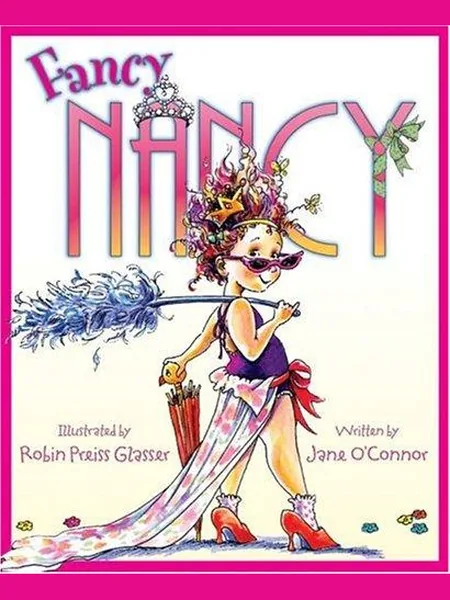
Robin Preiss Glasser (born 1956) is an American illustrator from Poughkeepsie, New York, best known for illustrating Jane O'Connor's Fancy Nancy picture books, which began with Fancy Nancy (HarperCollins, 2005).
Before illustrating she was a professional ballet dancer, trained through the American Ballet Theatre apprentice programme and dancing as a soloist with the Pennsylvania Ballet until a back injury ended her stage career. She then earned a fine arts degree from Parsons School of Design after returning to school at 30.
Her early books include Judith Viorst's Alexander, Who's Not (Do You Hear Me? I Mean It!) Going to Move (1995) and You Can't Take a Balloon into the Metropolitan Museum (1998), created with her sister Jacqueline Preiss Weitzman. Fancy Nancy grew into a series of dozens of titles that has sold more than 48 million copies (50 million by another account) and was adapted as a Disney Junior animated series in 2018. She has also illustrated books by Lynne Cheney, Garrison Keillor and Ann Patchett, including Lambslide (2019) and Escape Goat (2020), and ballet-themed books such as Gloria's Promise (2023).
For collectors
The 2005 HarperCollins first edition of Fancy Nancy is the starting point for collecting her work.
Illustrated forJane O'Connor (5)
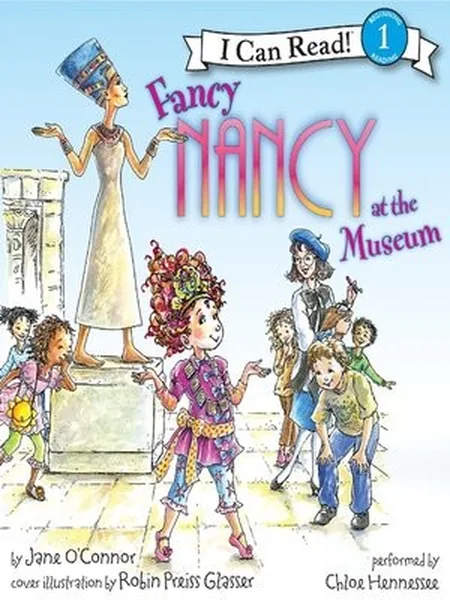
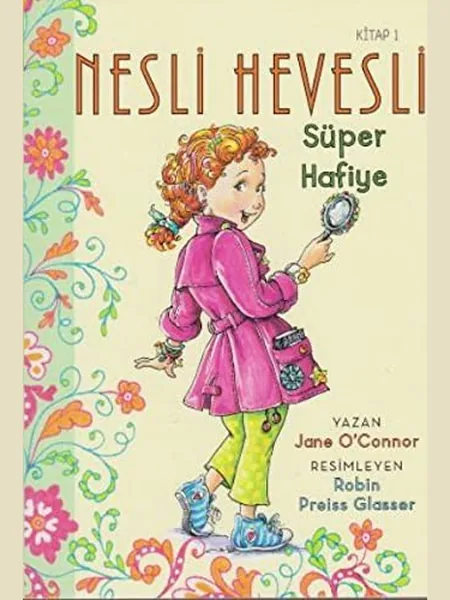
Books illustrated by Robin Preiss Glasser


Frequently asked questions
Which books did Robin Preiss Glasser illustrate?
We track 5 books illustrated by Robin Preiss Glasser, in 5 editions, the earliest from 2005.
Are books illustrated by Robin Preiss Glasser valuable?
Value depends on the edition and printing, the condition of the book and jacket, and whether a copy is signed. A first edition of a well-known title is worth far more than later printings; each book's page here shows how to identify it.