Lippincott
J. B. Lippincott was a Philadelphia publisher founded in 1836, publisher of To Kill a Mockingbird, absorbed by Harper & Row in 1978 and now a medical brand.
- Editions tracked
- 91
- First editions
- 74
- Books
- 91
- Years
- 1867 to 1985
About Lippincott
J. B. Lippincott & Co. was founded in Philadelphia in 1836 by Joshua Ballinger Lippincott, then 23. It began with Bibles and prayer books and widened into history, biography, fiction, poetry and gift books, later adding medicine, law, school textbooks and dictionaries.
In 1849 it bought Grigg, Elliot & Co., and it traded as Lippincott, Grambo & Co. from 1850 to 1855 before reverting to its own name. Lippincott's Monthly Magazine, which printed a complete novel in each issue, ran from 1868 to 1914, and the firm published the first American nursing textbook in 1878. By the end of the nineteenth century it was one of the largest and best-known publishers in the world.
Its most famous American first is Harper Lee's To Kill a Mockingbird, shaped into its final form under the editor Tay Hohoff and published on 11 July 1960.
Harper & Row acquired Lippincott in 1978 and folded its trade and juvenile lists into Harper. Wolters Kluwer bought the company in 1990, and Lippincott survives today as a medical and nursing brand of Wolters Kluwer Health.
How to spot a Lippincott first edition
- From about 1925 Lippincott marked later printings (or impressions) on the copyright page, so a copy with no such note is likely a first printing.
- From about 1925 many first printings also state "First Edition" on the copyright page, but not every title carries it.
- From the 1970s, after the move into Harper & Row, a number row was added, and books under the Lippincott and Crowell imprint state "First Edition" with a number row.
- A number row counts printings: the lowest number left in the row gives the printing, so a row that still includes "1" points to a first printing.
- Book club copies (a general tell for US trade houses; no mark specific to this house was found): a jacket flap with no printed price is the commonest sign, though a printed price does not on its own rule out a club copy. Also look for a small blind stamp, such as a dot or square, pressed into the rear board, and for a book that is smaller and more cheaply made than the trade edition.
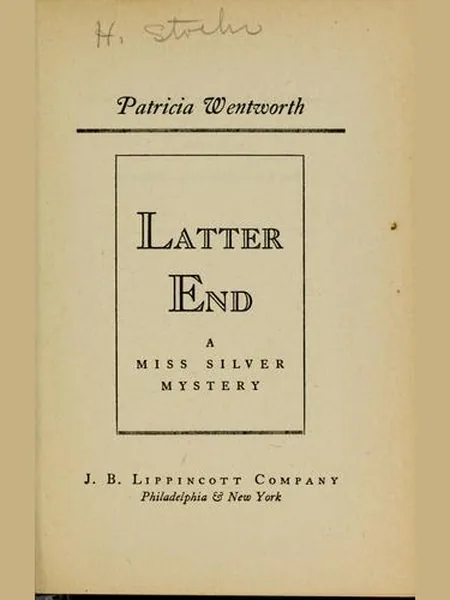
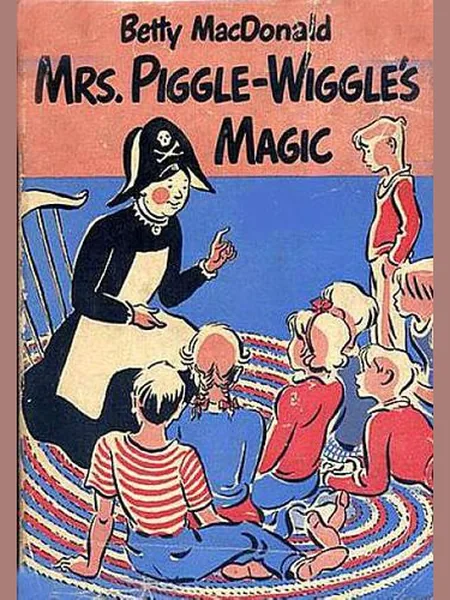
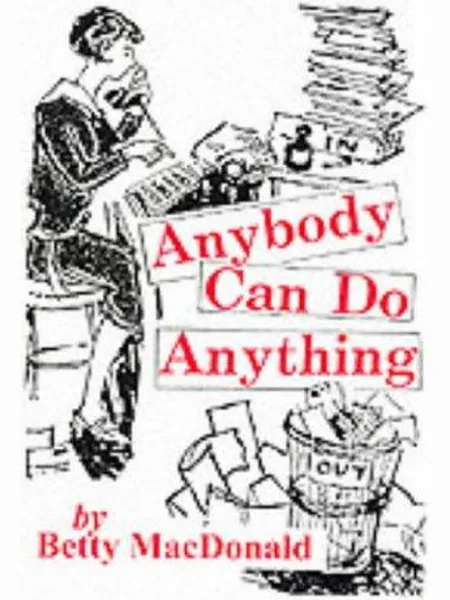
AuthorsGrace Livingston Hill (15)Betty MacDonald (7)Zora Neale Hurston (5)Edmund Crispin (4)Patricia Wentworth (4)Lois Lenski (3)George MacDonald (3)Mary O'Hara (2)Alvin Schwartz (2)Jules Verne (2)
SeriesAubrey-Maturin seriesLord Ramage
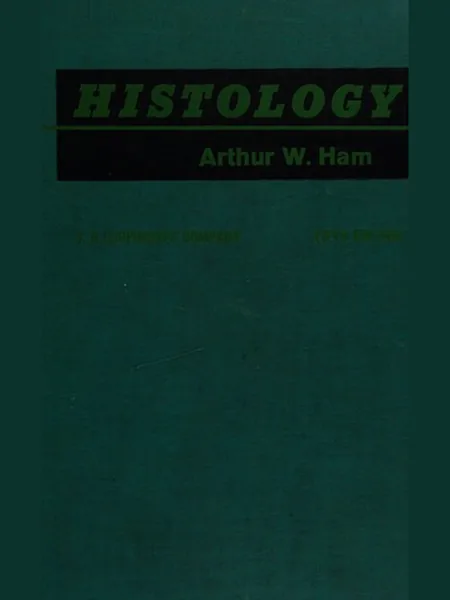
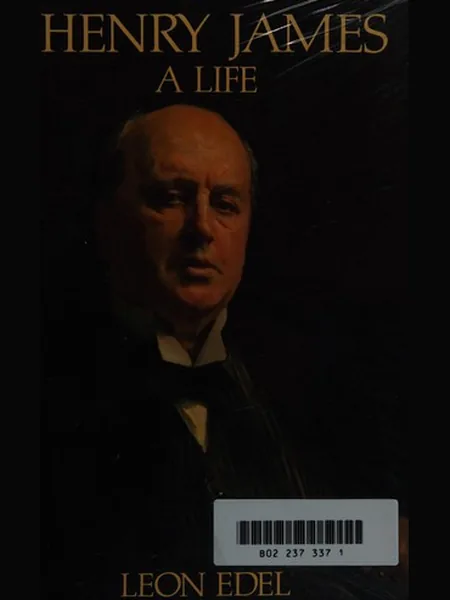
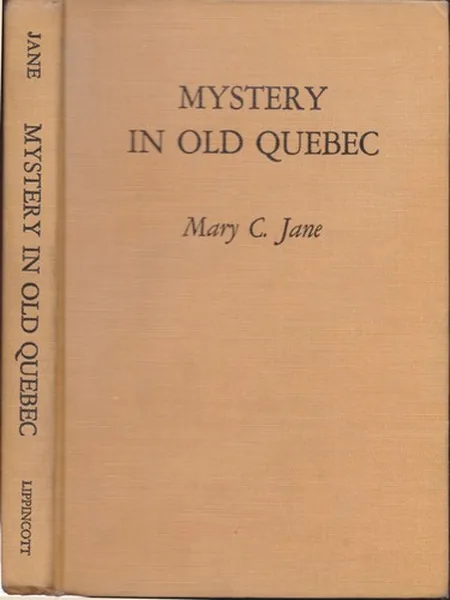
Published by Lippincott










Frequently asked questions
How do I identify a Lippincott first edition?
- From about 1925 Lippincott marked later printings (or impressions) on the copyright page, so a copy with no such note is likely a first printing. - From about 1925 many first printings also state "First Edition" on the copyright page, but not every title carries it. - From the 1970s, after the move into Harper & Row, a number row was added, and books under the Lippincott and Crowell imprint stat
How many Lippincott books does MyVolumes track?
We track 91 editions published by Lippincott, 74 of them first editions, across 91 books.
Where these facts come from
- First-Edition - Identification by Publisher (Allen and Patricia Ahearn), ILAB, 2010 (ilab.org)
- First Edition Information by Publisher, Evening Land Books (eveninglandbooks.com)
- Identifying First Editions, A Primer: The Publishers, IOBA (ioba.org)
- J. B. Lippincott & Co., Wikipedia (en.wikipedia.org)
- To Kill a Mockingbird, Wikipedia (en.wikipedia.org)
- Identifying Book Club Editions, IOBA (ioba.org)
- Identifying Book Club Editions, bookfever.com (bookfever.com)
Every fact on this page was checked against the sources listed. Checked 17 October 2026.