A facsimile dust jacket is a modern reproduction of a book's original jacket. Facsimiles are made for collectors whose copies have lost their jackets, and used honestly they are a reasonable way to dress and protect a shelf copy. Used dishonestly, they are one of the commonest ways a buyer overpays for a first edition.
This guide explains who makes facsimiles, how to recognise one, and what they do to a book's value.
What a facsimile jacket is
A facsimile reproduces the artwork, text and layout of an original jacket, usually from a scan or photograph of a surviving copy. It is printed new, on modern paper, and trimmed and folded to fit the book.
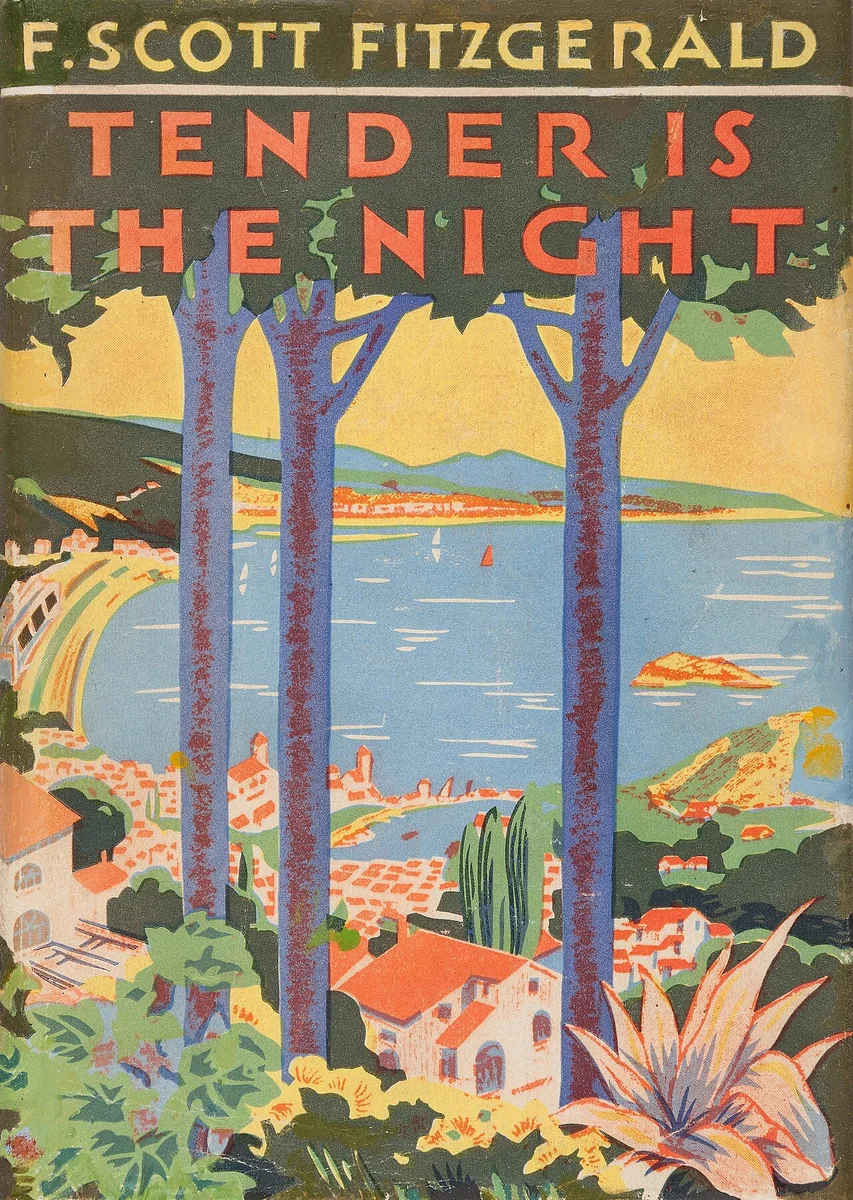


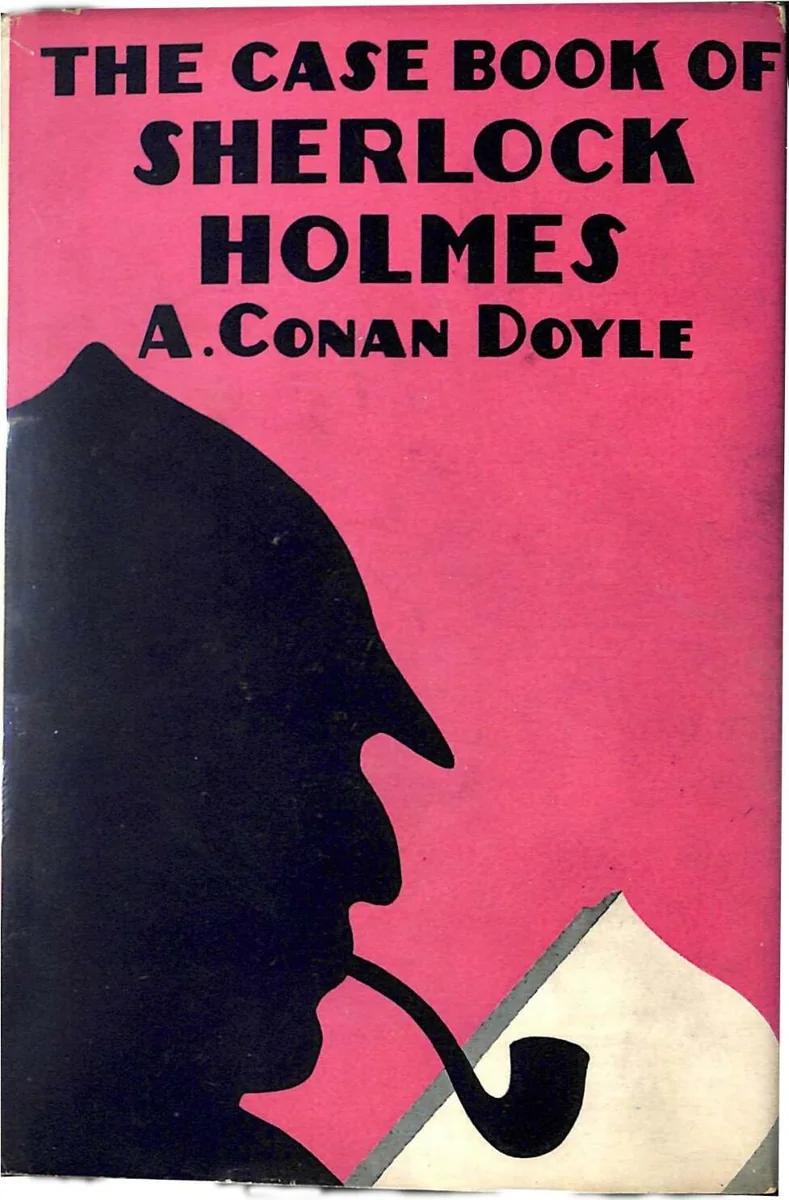

Because original jackets of many modern first editions are scarce and carry most of the value, a jacketless copy can look bare. A facsimile restores the look at a fraction of the price. That is its legitimate purpose: it is a cover, not part of the book as issued. Our guide to dust jackets explains why originals matter so much.
| Original jacket | Facsimile jacket | |
|---|---|---|
| Made | With the book, by the publisher | Decades later, by a reproduction maker |
| Paper | Period paper, often toned and slightly rough | Bright, smooth modern paper, sometimes coated |
| Printing | Letterpress or offset, with rosettes or solid spot colours | Usually inkjet dots, or a photographic reprint |
| Wear | Genuine chips, tears and fading | Clean, or wear that is printed onto the surface |
| Marking | Publisher's price and imprint | Usually a maker's statement on a flap |
| Value | Often most of the book's value | Little more than the jacketless book |
Who makes them
Facsimiles come from three main sources, and knowing which one made a jacket tells you a lot about how it was printed and how it should be marked.
- Specialist makers. The best known is Facsimile Dust Jackets LLC in the United States, founded by Mark Terry, which prints reproductions from a large archive of scanned jackets. The company says every jacket states "Facsimile Dust Jackets L.L.C." on the front flap.
- Collectors' and fan presses. One of the earliest mass-produced examples was the jacket for H. P. Lovecraft's The Outsider, printed photographically in 1974 by the collector and publisher Gerry de la Ree. It is a good copy and has fooled experienced dealers.
- Publishers' facsimile editions. Some publishers have reissued classic first editions as facsimiles, jacket included, and not every one was clearly marked as a reprint.
How to spot a facsimile
Take the jacket out of any plastic cover first: protective film hides the surface and the paper. Then work through these checks.
- Look for a statement. Check both flaps, especially the front flap and its lower corner, for a maker's name or the word facsimile. Its absence is not proof of an original, because statements can be trimmed off.
- Use a magnifier. Most original jackets were printed by letterpress or offset, which shows small rosette patterns where colour screens overlap, or flat areas of a single spot colour. An inkjet facsimile is built from even dots of four or more inks, so a solid brown or green turns out to be a mixture of coloured dots.
- Feel the paper. Facsimile paper is usually smoother, brighter, thinner and stronger than period jacket paper.
- Try an ultraviolet torch. Modern paper usually contains optical brighteners that glow blue-white under ultraviolet light. Older jacket paper generally does not, so a jacket that glows on a book from the 1930s needs explaining.
- Check the wear. On a facsimile printed from a worn original, the chips and stains are part of the printed image: the paper underneath is whole. Real chips are missing paper.
- Look at the folds. A facsimile folded recently has sharp, white-edged folds with no rubbing, on a book whose boards show decades of wear.
- Compare the fit. A jacket that is slightly too large or too small, or has flaps that are cut short, deserves a second look.
When facsimiles are passed off as originals
Most facsimiles are sold honestly as reproductions. The trouble starts when they are resold without the statement. Dealers have reported facsimiles that were deliberately aged, torn and then restored, with the flap statement removed and replaced with plain paper, so that they could be sold as originals.
Be wary when:
- the jacket is far brighter than the book it is on, with no fading on the spine panel;
- a corner of a flap is clipped where a maker's statement would sit, on a jacket that otherwise has its price;
- a description says "jacket" but never "original jacket", or avoids the subject;
- the price is too good for the title in its first-state jacket.
If in doubt, ask the seller in writing whether the jacket is original to the book and to the first printing, and buy from dealers who offer a return on any misdescription.
Disclosure when you sell
If your book wears a facsimile, say so clearly. Put "facsimile jacket" or "in facsimile dust jacket" in the title of a listing, not just the description, and grade the book on its own. Many dealers will not sell books in facsimile jackets at all, and those who do describe them plainly.
Do not grade a facsimile as if it were an original jacket. On MyVolumes, record the jacket grade only for an original jacket, and note a facsimile in your copy's notes. See book condition grading for how book and jacket grades work.
What a facsimile does to value
A facsimile does not replace the value of an original jacket. The Great Gatsby shows the gap: Fine Books Magazine reported in 2013 that a jacketless 1925 first edition in good condition averaged about £5,000 to £7,000, against over £120,000 for a copy in its original jacket. A facsimile puts the Gatsby design back on the shelf, but the copy is still valued as a jacketless book.
In practice:
- A facsimile on a jacketless first may make it slightly easier to sell to a buyer who wants a display copy, but adds little to the price.
- A facsimile sold as original is a misdescription, and a buyer can reasonably ask to return the book.
- A facsimile on a book club or later printing adds nothing to its value as a first edition, because it is not one. See book club editions.
If you own a jacketless first, a facsimile is a sensible way to protect the boards from light and handling. Keep it in an archival cover like an original, and store any receipt or maker's note with the book so the next owner knows what it is. Our guide to caring for collectable books has more on storage.
Check your copy
Find your book in Browse and open its edition page to see what the original jacket should carry, such as its price and back panel, then compare it with the jacket on your copy. For example, the Casino Royale first edition page and the Hobbit first edition page list the details for two famous jackets. You can also browse first editions to find your title. Terms such as price-clipped and state are in the glossary.
Frequently asked questions
What is a facsimile dust jacket?
A facsimile dust jacket is a modern reproduction of a book's original jacket, usually printed from a scan or photograph of a surviving copy. It is made to dress a book that has lost its jacket and is not part of the book as issued.
Does a facsimile dust jacket add value to a book?
Very little. It can make a jacketless copy more attractive to a buyer who wants a complete-looking shelf copy, but collectors value a facsimile-jacketed book close to the same copy without a jacket, and far below a copy in its original jacket.
How can I tell if a dust jacket is a facsimile?
Look at the printing under a magnifier: modern inkjet facsimiles show even dots of four or more colours, while most original jackets show printed rosette patterns or solid spot colours. Check the flaps for a maker's statement, and look for bright, smooth paper that glows under ultraviolet light.
Do I have to tell a buyer that the dust jacket is a facsimile?
Yes. Any honest description must say that the jacket is a facsimile, in the title of a listing as well as the body. Reputable dealers and trade associations treat an undisclosed facsimile as a misdescription, and selling one as original is deception.
Is it wrong to use a facsimile dust jacket?
No. A facsimile is a legitimate way to protect the boards and enjoy the look of a book you could not afford in its original jacket. The problem only arises when a facsimile is passed off as the original.
Where these facts come from
- The finer print: growing concern over facsimile jackets, Dan Gregory, International League of Antiquarian Booksellers, 2009 (first printed in the ABAA Newsletter, 2005) (ilab.org)
- How do I identify a facsimile dust jacket?, Books Tell You Why, 2014 (blog.bookstellyouwhy.com)
- Facsimile Dust Jackets LLC, home page, 2026 (dustjackets.com)
- The Great Gatsby dust jacket: the most valuable piece of paper in modern literature?, Fine Books Magazine, 2013 (finebooksmagazine.com)
- The Great Gatsby and the $100,000 dust jacket, AbeBooks on YouTube, 2012 (youtube.com)
- Condition definitions, Independent Online Booksellers Association (ioba.org)
Points of issue are listed only where at least two independent sources agree. Last reviewed 17 October 2026.
Last reviewed 17 October 2026.