Insuring a book collection starts with one question: does your home contents policy actually cover what your books are worth? For most people with a few valuable books, the answer is "partly". This guide explains the limits that catch collectors out, the difference between market value and replacement value, how to document a collection and when to get a formal valuation. It is general information, not financial advice; your policy wording and your insurer have the final say.


Does home contents insurance cover books?
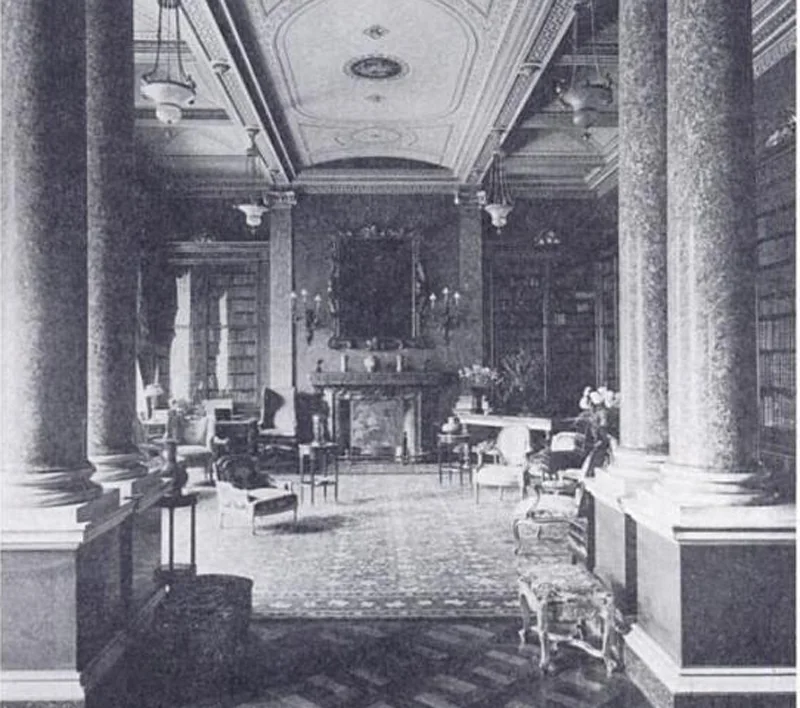
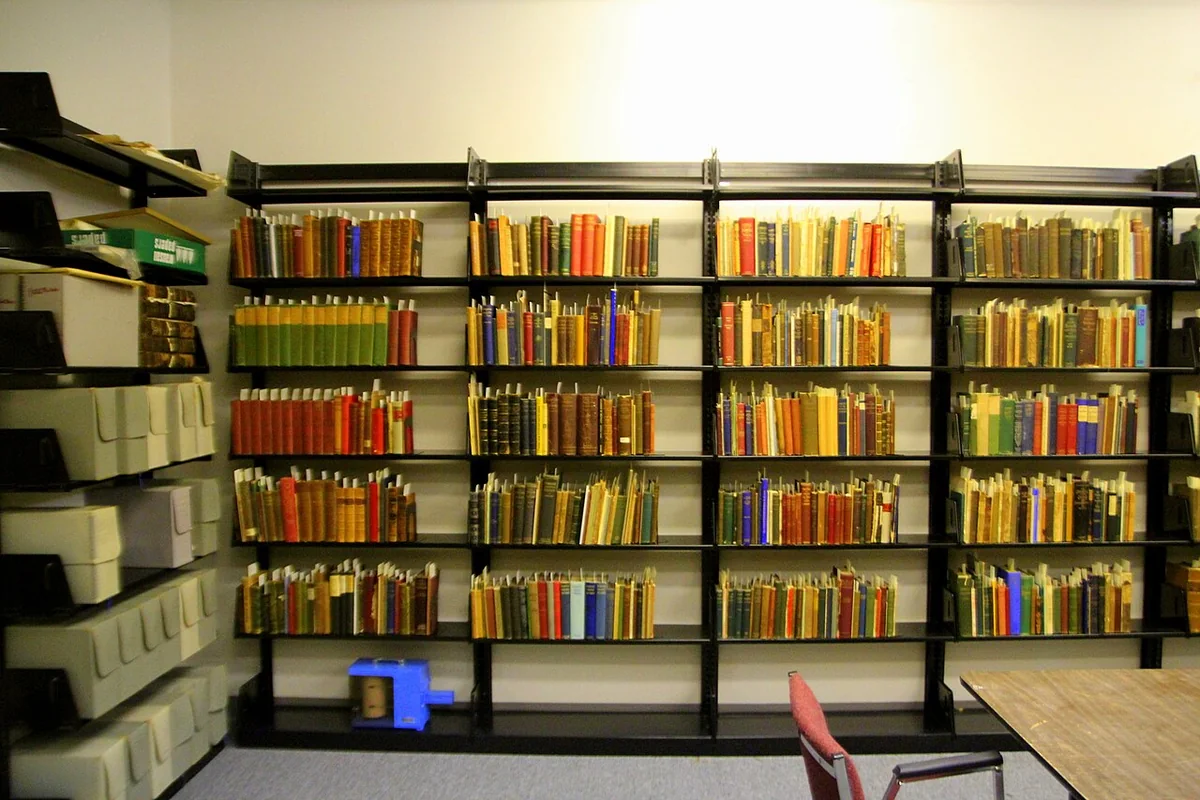
Most UK home contents policies cover books as part of your general possessions, against the usual risks such as fire, flood and theft. The catch is the single item limit: the most the policy will pay for any one item that has not been listed separately.


- Typical limits sit around £1,000 to £2,500. Howden, a UK insurance broker, notes limits of £1,000 or £2,500 on some policies and much higher on specialist ones, and Confused.com says most insurers set £1,000.
- Valuables limits: many policies also cap the total for categories such as antiques, art and collections, separately from the overall contents sum.
- Collections: some insurers will not cover a collection as a single item on a standard policy, while allowing valuable individual pieces to be listed.
If a book worth £3,000 is not listed and the limit is £1,000, you may only be able to claim £1,000 for it. Read the "valuables", "single article" and "collections" sections of your policy, and ask your insurer how they treat rare books.
Specified items and specialist cover
When a book is worth more than the single item limit, the usual answer is to specify it: list it on the policy schedule with a description and a value. Insurers often ask for evidence of value for specified items, typically a recent professional valuation, even if you have a receipt.
For larger collections there are two broad options:
| Option | Suits | Things to check |
|---|---|---|
| Standard contents policy, valuable books specified | A few valuable books among ordinary ones | Single item limit, valuables limit, evidence of value needed |
| Specialist collectables or high value home policy | Larger or more valuable collections | Whether books are covered at agreed values, valuation age rules, cover in transit and at fairs |
Whichever route you take, check a few practical points that matter to book collectors in particular:
- Accidental damage: a spilt drink or a leaking roof is a more common danger to books than theft. Is it covered as standard or only as an add-on?
- Away from home: books taken to a fair, a signing, a binder or a valuer may need cover outside the home.
- Pairs and sets: if one volume of a set is lost, does the policy pay for the loss of value to the whole set?
- Restoration: if a book can be repaired, will the policy pay for professional restoration and any loss of value afterwards?
Specialist policies may cover items at an agreed value and handle collections more flexibly. Compare the wording, not just the premium, and ask how a claim for a damaged (rather than lost) book would be settled.
Insurance value versus market value
The value you insure for is not always the price you would get selling.
- Market value is roughly what a book would fetch at auction or from a dealer buying stock.
- Replacement value is what it would cost you to buy a comparable copy promptly, usually from a dealer at retail price. Chubb, a specialist insurer, recommends retail replacement value for scheduling collectables.
Replacement value is often noticeably higher than auction value, because a dealer's price includes their margin and the work of finding the book. For scarce books, replacing a copy in the same condition may take years; ask how your insurer handles that.
Getting the value wrong matters both ways. Overinsuring costs you premium you cannot recover. Underinsuring can do more harm: many policies include a condition known as average, which reduces a claim in proportion to the shortfall. Howden gives the example of contents worth £50,000 insured for £30,000, where a £10,000 claim might be cut to £6,000.
Our guide to how much your book is worth explains how prices are set and why condition, the dust jacket and the exact printing make such a difference.
Documenting your collection
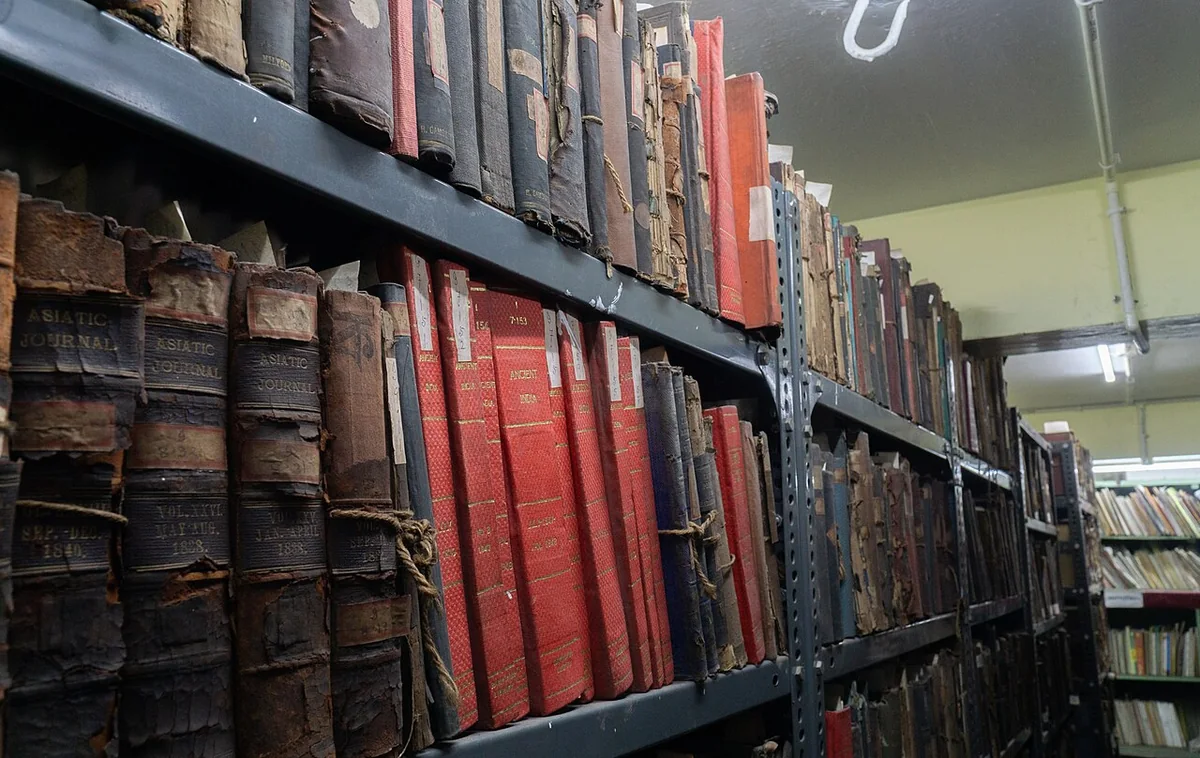
A claim is far easier with a clear record of what you owned and its condition before the loss. Keep it somewhere other than the room the books live in, ideally in digital form as well as on paper.

For each valuable book, record:
- Identification: author, title, publisher, year and the exact printing, with the points that prove it.
- Condition: book and jacket graded separately on the trade scale, with faults noted. Our condition grading guide sets out the scale.
- Photographs: the cover, spine, title page, copyright page and any signature or limitation page, plus close-ups of faults.
- Purchase evidence: receipts, dealer descriptions and auction invoices.
- Provenance: letters, bookplates or anything that supports a signature or association. See signed and inscribed books.
- Valuations: any written valuation, with its date.
MyVolumes members can record each copy's printing, book and jacket grades, signatures and price paid in their collection. The insurance report turns that into a printable list of every copy with its estimated value range and a replacement figure based on the high estimate. It is a guide built from our value bands, not a formal valuation, but it gives you and your insurer a clear, dated inventory.
Getting a formal valuation
For books above your single item limit, or a collection you want insured at agreed values, a written valuation from a specialist is usually worth having.
Who to ask:
- Rare book dealers, including members of the Antiquarian Booksellers' Association (ABA) and the Provincial Booksellers' Fairs Association (PBFA). The ABA asks members to make valuations fair, impartial and expert, to state their purpose and to agree fees in advance, and favours fixed fees over a percentage of value.
- Auction houses with a book department, many of which offer insurance valuations as well as sale estimates.
Tell the valuer the purpose is insurance, so the figure is a replacement value rather than an auction estimate. Ask for the valuation in writing, with a description of each book, its condition and the date.
Keeping valuations up to date
Book prices move. A title can climb sharply after a film or anniversary, and fall when more copies surface.
- Review regularly. Valuers commonly suggest every three to five years, and more often for books in a fast-moving market. Partners&, a private client broker, advises reviewing valuations every three years.
- Check the policy's rules. Some policies only honour certain benefits if the valuation is no more than three years old, or five on some policies.
- Update after changes. Add new purchases straight away, and tell your insurer when you sell or give away a specified book.
- Watch the market. Keeping your copies in a MyVolumes collection lets you see estimates change as we add new sold evidence.
Good care protects value as well as insurance does. Light, damp and careless handling cause most loss of condition, so see our guide to caring for collectable books.
Check your copy
Before you call your insurer, make sure you know what each valuable book actually is. Find it on Browse, confirm the printing and grade the condition, then add it to your collection so it appears in your insurance report. The glossary explains any trade terms a valuer or insurer uses.
Frequently asked questions
Does home contents insurance cover rare books?
Usually, but only up to the policy's single item limit, often between £1,000 and £2,500, and sometimes with a separate limit for valuables or collections. A book worth more than that generally needs to be listed on the policy individually, or it may only be covered up to the limit.
What is the difference between insurance value and market value?
Market value is roughly what the book would fetch if you sold it. Insurance valuations are usually based on replacement value, what it would cost to buy a comparable copy from a dealer, which is often higher.
How often should I have my books revalued for insurance?
Valuers commonly suggest every three to five years, and sooner for books whose market is moving quickly. Some policies only honour a specified value if the valuation is recent, so check your policy wording.
Who can give a formal valuation of my books?
Established rare book dealers, including members of the Antiquarian Booksellers' Association, and the book departments of auction houses offer written valuations for insurance. Agree the fee and purpose in advance; the ABA asks its members to say what a valuation is for.
Is the MyVolumes insurance report a formal valuation?
No. It is a printable summary of your copies and the estimated value range for each printing and condition, useful as a record and as a starting point for talking to your insurer. An insurer may still ask for a professional valuation of individual high value books.
Where these facts come from
- Steve Moores, What is a single article limit and why does it matter?, Howden Private Client, 2026 (howdeninsurance.co.uk)
- High value contents insurance explained, Confused.com, 2025 (confused.com)
- Underinsurance guide, Howden Insurance (howdeninsurance.co.uk)
- Condition of average, Wikipedia (en.wikipedia.org)
- The importance of regular insurance valuations, Aubreys, 2024 (aubreys.com)
- Home insurance claims: the critical role of up to date valuations, Partners&, 2025 (partnersand.com)
- Reappraising fine art and collections to current value, Chubb (chubb.com)
- Guidelines for members, Antiquarian Booksellers' Association (aba.org.uk)
Points of issue are listed only where at least two independent sources agree. Last reviewed 17 October 2026.
Last reviewed 17 October 2026.