- Blackie usually printed the following year's date on the title page of its Henty first editions, so a Henty first was normally issued in the year before the date it shows; Held Fast for England, for example, came out on 1 August 1891 with 1892 on the title page. Do not mistake a title-page date one year later than the stated publication date for a sign of a later printing.
Publisher
Blackie
Blackie and Son was a Glasgow publisher founded in 1809, known for G. A. Henty's adventure stories, the Flower Fairy books and Topsy and Tim, which stopped publishing in 1991.
- Editions tracked
- 41
- First editions
- 11
- Books
- 41
- Years
- 1855 to 2020
About Blackie
Blackie and Son was a Scottish publisher based in Glasgow, with a London office, founded in 1809 by John Blackie and best remembered for G. A. Henty's adventure stories and Cicely Mary Barker's Flower Fairy books.
The business began as a bookselling partnership, Blackie, Fullarton and Company, selling books by subscription, and started printing in 1819. It settled in Glasgow around 1830 and took the name Blackie and Son in 1831. It became a limited company in 1890 and later opened offices in Edinburgh, London, Canada and India.
After compulsory schooling arrived in 1870 the firm moved heavily into school textbooks and children's books. Talwin Morris was its art director and designer from 1893 until his death in 1911. Most of Henty's 122 historical novels came out under the Blackie imprint, and the firm's own records show more than three and a half million Henty copies produced. Blackie also published the first Flower Fairy book, Flower Fairies of the Spring (1923), followed by the summer, autumn and trees volumes, and from 1960 the long-running Topsy and Tim picture books by Jean and Gareth Adamson.
Blackie stopped publishing in 1991. Frederick Warne later reissued the Flower Fairy titles.
Holding a copy? The first edition checker shows Blackie's practice for the year on your title page.
Identification
How to identify Blackie first editions
Books
Published by Blackie









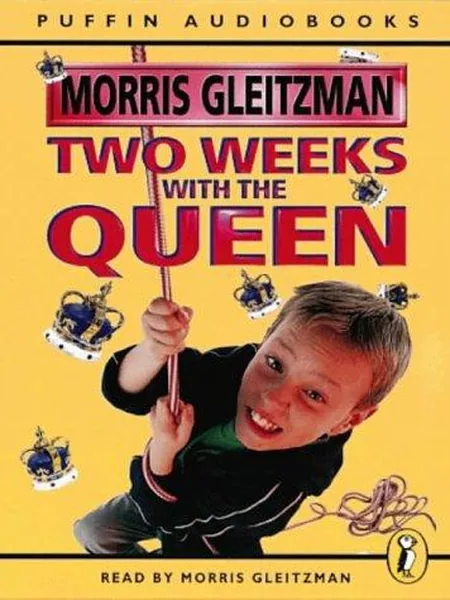

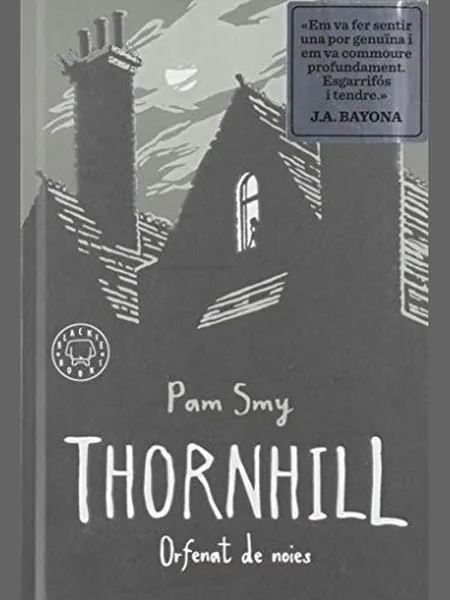

Frequently asked questions
How do I identify a Blackie first edition?
- Blackie usually printed the following year's date on the title page of its Henty first editions, so a Henty first was normally issued in the year before the date it shows; Held Fast for England , for example, came out on 1 August 1891 with 1892 on the title page. Do not mistake a title-page date one year later than the stated publication date for a sign of a later printing.
How many Blackie books does MyVolumes track?
We track 41 editions published by Blackie, 11 of them first editions, across 41 books.
Where these facts come from
- Blackie and Son Limited, Wikipedia (en.wikipedia.org)
- Cicely Mary Barker, Wikipedia (en.wikipedia.org)
- G. A. Henty, Wikipedia (en.wikipedia.org)
- George Alfred Henty 1832-1902: History Teacher (Roger Childs), IOBA Standard, 2003 (ioba.org)
- First Editions of Today and How to Tell Them (3rd edn), H. S. Boutell, Internet Archive, 1949 (archive.org)
Every fact on this page was checked against the sources listed. Checked 17 October 2026. Reviewed by Harriet Ellis; read how we check facts.