
- 1st Doubleday1900 Hardback Not yet valued Log in to want this
Publisher · founded 1897 · New York City
Doubleday
Doubleday is a New York publisher founded in 1897 by Frank Nelson Doubleday and S. S. McClure; it published Stephen King's first novels and is now part of Knopf Doubleday at Penguin Random House.
- Editions tracked
- 714
- First editions
- 471
- Books
- 707
- Years
- 1900 to 2025
About Doubleday
Doubleday is an American publisher founded in 1897 by Frank Nelson Doubleday and the magazine publisher S. S. McClure, and it is now a New York-based imprint of the Knopf Doubleday Publishing Group within Penguin Random House.
The firm began as Doubleday & McClure on a loan of five thousand dollars, and its first bestseller was a Rudyard Kipling title. The McClure partnership ended in 1900, when Walter Hines Page joined and the house became Doubleday, Page & Company. It moved its operations to Garden City, New York, in 1910. A merger with the George H. Doran Company in 1927 produced Doubleday, Doran, and the name changed to Doubleday & Company in 1946. Jason Epstein launched the Anchor Books trade paperback line there in 1953, and under Douglas Black, president from 1946, the company opened new book clubs.
Isaac Asimov and Ray Bradbury published with the house, and Stephen King's first novels, Carrie (1974), 'Salem's Lot (1975), The Shining (1977) and The Stand (1978), appeared under its imprint. Its Crime Club issued Sax Rohmer and Leslie Charteris.
Nelson Doubleday Jr. sold the company to Bertelsmann in 1986. It joined Bantam Doubleday Dell in 1988, which became part of Random House in 1998, and in 2009 Doubleday merged with Knopf to form Knopf Doubleday.
How to spot a Doubleday first edition
- Doubleday, Doubleday, Doran and Doubleday & Co. first printings normally carry the words "First Edition" on the copyright page, directly under the copyright notice.
- Book club copies are the main trap. They are usually smaller and lighter than the trade edition, and their dust jackets have no price on the front flap. A trade jacket with a price is a key check.
- Doubleday club jackets were once marked "Book Club Edition" at the foot of the front flap; later ones instead carry a five-digit code on the rear panel.
- A book club copy can still print "First Edition" on the copyright page, so the statement alone does not prove a trade first.
- Doubleday-made books often carry a small printed code in the gutter near the foot of one of the final pages. For some titles a specific code identifies the first printing (for example P6 on page 199 of Carrie, and N7 rather than N40 in Dangerous Visions), so compare against a title bibliography.
AuthorsIsaac Asimov (53)John Grisham (31)Eleanor Burford (24)Phyllis A. Whitney (22)Jacqueline Wilson (17)Terry Pratchett (15)Chuck Palahniuk (12)Raymond E. Feist (9)Philip K. Dick (8)Ingri d'Aulaire (8)
SeriesRobot seriesBlack WidowersDiscworldEmpire TrilogyFoundation seriesGalactic EmpireLucky Starr seriesPatternist series
US first editions
- Doubleday, Page, Doubleday, Doran (formed by the merger with George H. Doran at the end of 1927) and Doubleday & Co. mark first printings with the words "First Edition" under the copyright notice on the back of the title page; by 1937 the firm said it had done so for many years.
- Many Doubleday books have a small printed code low in the gutter of a page near the end, and for some titles a particular code marks the first printing: P6 on page 199 of Carrie (1974), N7 on page 796 of Dangerous Visions (1972), which has no first edition statement. Check a bibliography of the title.
- Doubleday ran its own book clubs (Literary Guild, Doubleday Book Club, Mystery Guild, Science Fiction Book Club), and their copies are the main trap: they are usually smaller and lighter than the trade edition, on thinner paper, and the jacket has no price on the front flap.
- Club jackets used to print "Book Club Edition" at the foot of the front flap; Doubleday later dropped this for a five-digit code, usually black figures in a white box, on the back of the jacket. Club jackets also often lack the barcode found on the trade jacket.
- A club copy can still say "First Edition", as clubs often printed from the trade plates without removing it.
- Where a number row appears on the copyright page, the lowest figure is the printing, whatever order the figures run in (1 2 3 4 5, 1 3 5 4 2 or 5 4 3 2 1), so a row that still includes 1 normally means a first printing.
Books
Published by Doubleday

- 1st Doubleday1901 Hardback Not yet valued Log in to want this

- 1st Doubleday1906 Hardback Not yet valued Log in to want this

- 1st Doubleday1914 Hardback Not yet valued Log in to want this


- 1st Doubleday1930 Hardback Not yet valued Log in to want this

- 1st Doubleday1934 Hardback Not yet valued Log in to want this

- Doubleday1934 Hardback Not yet valued Log in to want this

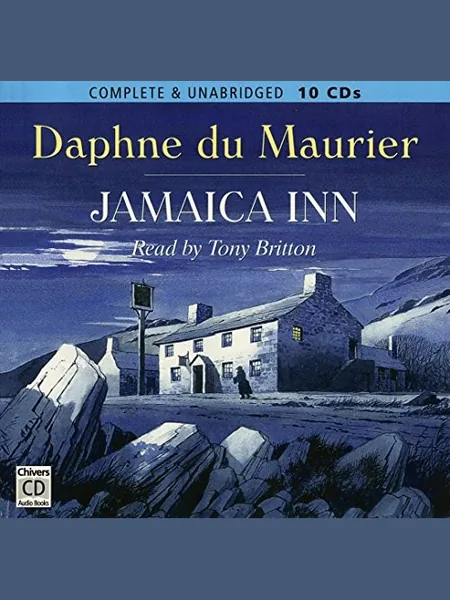
- 1st Doubleday1936 Hardback Not yet valued Log in to want this
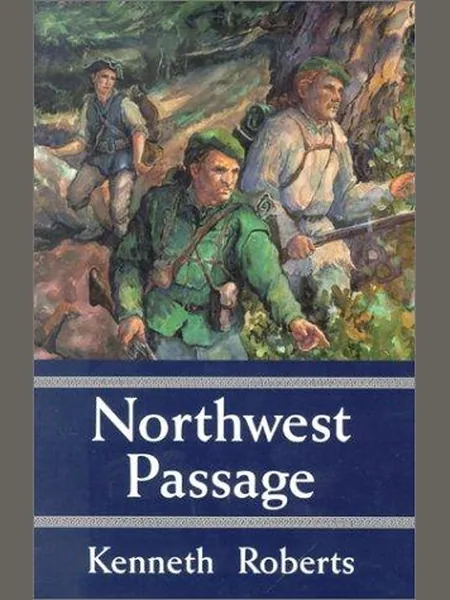
- 1st Doubleday1937 Hardback Not yet valued Log in to want this
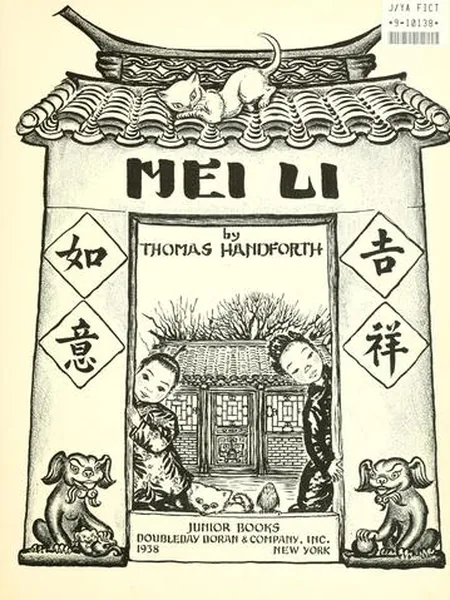
- 1st Doubleday1938 Hardback Not yet valued Log in to want this
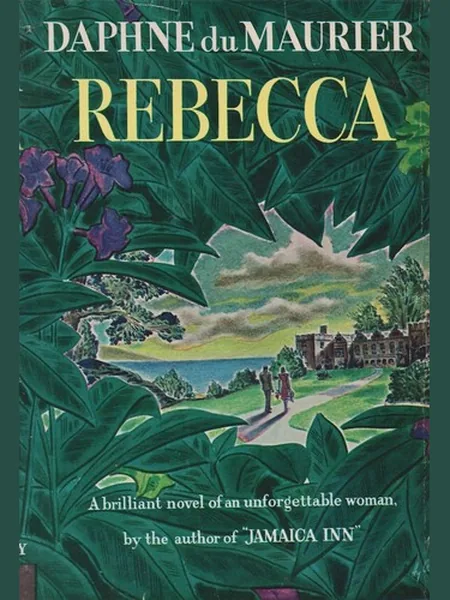
- Doubleday1938 Hardback Not yet valued Log in to want this
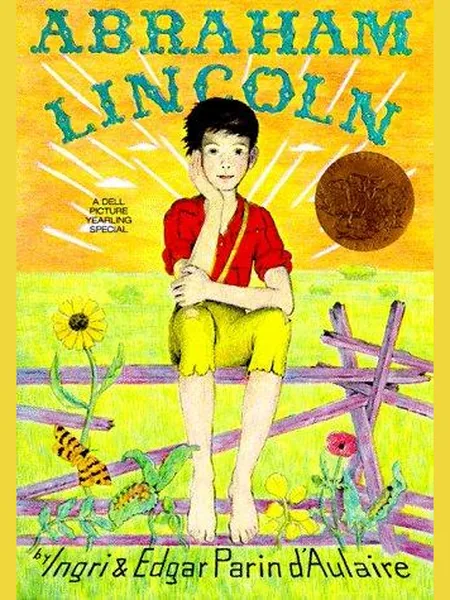
- 1st Doubleday1939 Hardback Not yet valued Log in to want this
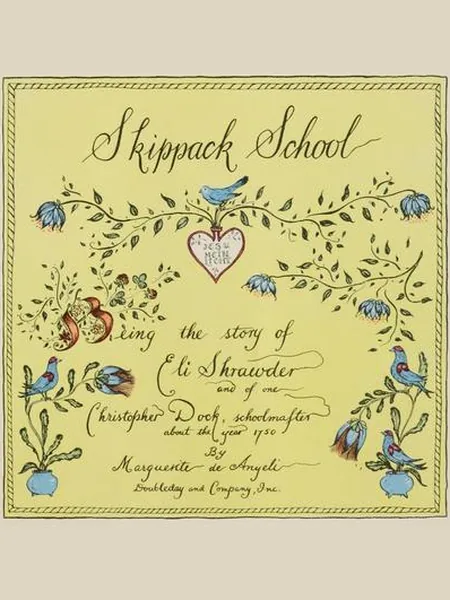
- 1st Doubleday1939 Hardback Not yet valued Log in to want this

- 1st Doubleday1940 Hardback Not yet valued Log in to want this
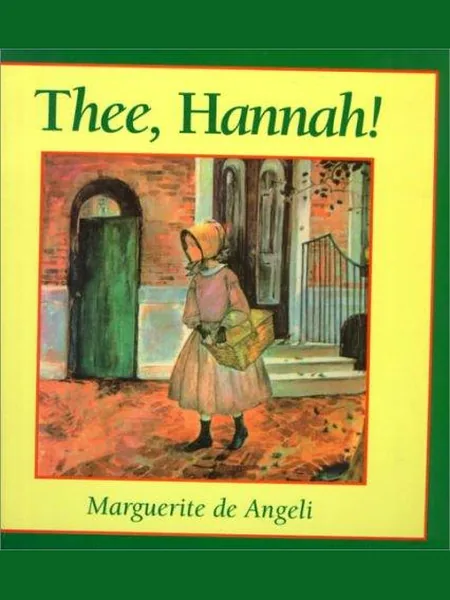
- 1st Doubleday1940 Hardback Not yet valued Log in to want this

- Doubleday1940 Hardback Not yet valued Log in to want this
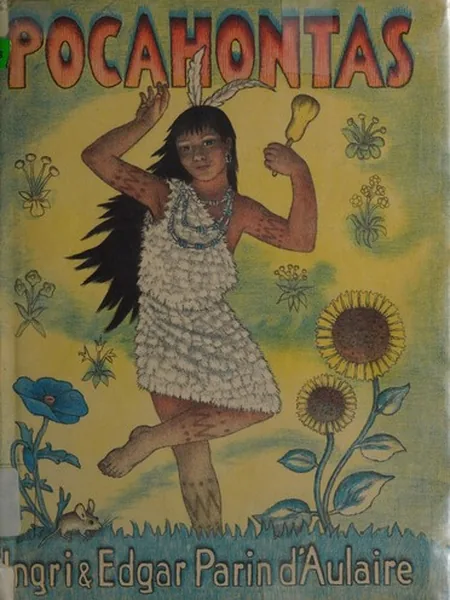

- 1st Doubleday1941 Hardback Not yet valued Log in to want this
- 1st Doubleday1946 Hardback Not yet valued Log in to want this
Frequently asked questions
How do I identify a Doubleday first edition?
- Doubleday, Doubleday, Doran and Doubleday & Co. first printings normally carry the words "First Edition" on the copyright page, directly under the copyright notice. - Book club copies are the main trap. They are usually smaller and lighter than the trade edition, and their dust jackets have no price on the front flap. A trade jacket with a price is a key check. - Doubleday club jackets were once
How many Doubleday books does MyVolumes track?
We track 714 editions published by Doubleday, 471 of them first editions, across 707 books.
Where these facts come from
- Doubleday (publisher), Wikipedia (en.wikipedia.org)
- Doubleday History, Random House (randomhouse.com)
- Identifying first editions (updated 2024), StephenKing.com, 2024 (StephenKing.com)
- First Editions of Today and How to Tell Them (3rd edn), H. S. Boutell, Internet Archive, 1949 (archive.org)
- First-Edition: Identification by Publisher (Allen and Patricia Ahearn), ILAB, 2010 (ilab.org)
- Identifying first editions (updated 2024), Bev Vincent, StephenKing.com, 2024 (stephenking.com)
- Identifying First Editions, A Primer: In General, IOBA (ioba.org)
- Book Club Edition Identification, TomFolio (tomfolio.com)
- How To Identify Book Club Editions (part 2), BookThink, 2008 (bookthink.com)
- Printer's key, Wikipedia (en.wikipedia.org)
Every fact on this page was checked against the sources listed. Checked 17 October 2026.