William Morrow, New York, founded 1926 and now a HarperCollins imprint. Before 1973 a first has no printing statement; from 1973 look for a number line with 1, not just "First Edition".
William Morrow and Company is a New York trade publisher that William Morrow founded in 1926. It is now an imprint of HarperCollins.
The firm stayed independent for about forty years. Scott Foresman bought it in 1967, and in 1981 it went to the Hearst Corporation, a deal the New York Times reported at 25 million dollars. In 1999 News Corporation, owner of HarperCollins, acquired it, and it has published under the HarperCollins umbrella since then.
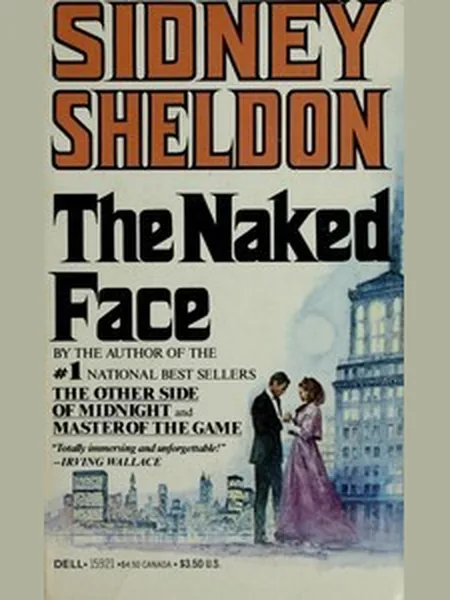
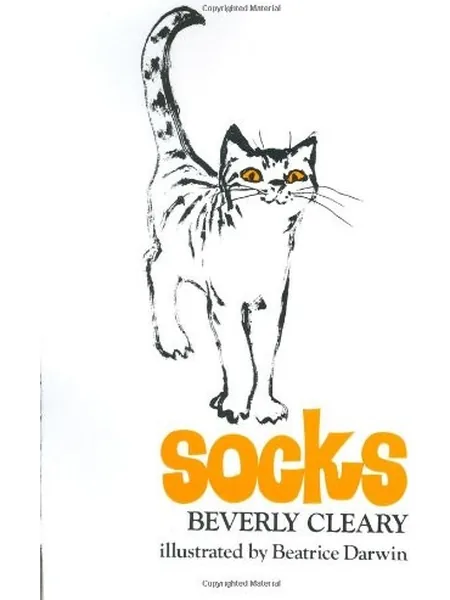
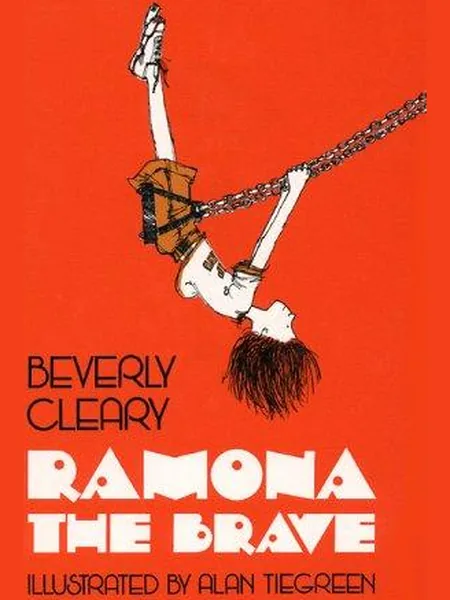
Morrow has long published both fiction and serious non-fiction. Writers on its list over the years include Ray Bradbury, Nevil Shute, Mary Stewart, Robert Pirsig, Margaret Mead, Beverly Cleary, Elmore Leonard, Sidney Sheldon, Jacqueline Susann, Neil Gaiman, Neal Stephenson and Michael Chabon, with Steven Levitt and Steven Pinker among its non-fiction authors. Margaret Mead's Coming of Age in Samoa (1928) and Laurence J. Peter's The Peter Principle (1969) both appeared under the Morrow name. Its current imprints include Custom House and Witness Impulse.
Holding a copy? The first edition checker shows Morrow's practice for the year on your title page.
Identification
How to identify Morrow first editions
What to look for
Morrow changed its method in 1973, so the publication year decides which rule applies. A US book club copy can usually be told from the trade edition by several signs: a jacket with no price, a small blind stamp (often a dot) pressed into the lower back board, and a smaller, more cheaply made book. A few Book of the Month Club jackets of the 1970s did show a price on the front flap, so check the other signs too.
1920s to 1972
Most first printings carry no edition or printing statement. A copy whose copyright page has no "Second printing", "Third printing" or "Second edition" wording can be taken as a first printing.
Morrow did mark its later printings, so any statement of a second or later printing settles the matter.
Occasionally a first printing does say "First printing" with a date on the copyright page. Treat this as a bonus, not a requirement.
From 1973
Morrow moved to a number line on the copyright page. A first printing shows a line that includes 1; if the lowest number is 2 or more it is a later printing.
Some books also print "First Edition" above the number line. The Legend of Bagger Vance (1995) is an example.
Morrow was known for leaving "First Edition" on later printings, so never trust the statement alone: the number line must still contain 1.
Morrow changed its method in 1973, so the publication year decides which rule applies. A US book club copy can usually be told from the trade edition by several signs: a jacket with no price, a small blind stamp (often a dot) pressed into the lower back board, and a smaller, more cheaply made book. A few Book of the Month Club jackets of the 1970s did show a price on the front flap, so check the o
How many Morrow books does MyVolumes track?
We track 261 editions published by Morrow, 188 of them first editions, across 261 books.