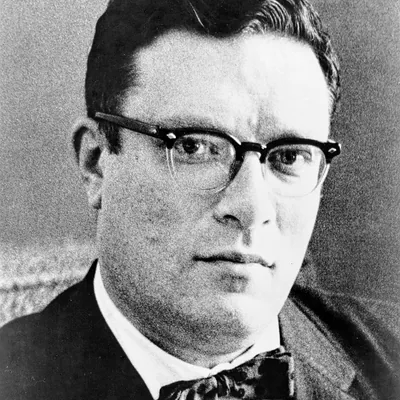
ASIMOV, ISAAC, 1920 to 1992
Isaac Asimov books in order
Isaac Asimov (c. 1920-1992) was a Russian-born American writer and biochemist, author of I, Robot and the Foundation series.
- Books
- 126
- Editions tracked
- 234
- First editions
- 93
- Nationality
- United States, Russian Socialist Federative Soviet Republic
- Born
- Petrovichi, 1920
- Died
- Manhattan, 1992
Isaac Asimov wrote 126 books we track between 1936 and 2010; in publication order they begin with The Genetic Code (1936).
About Isaac Asimov
Writer
- Known as
- biochemist, novelist, prose writer, autobiographer
- Genres
- science fiction
- Citizenship
- Russian Socialist Federative Soviet Republic, United States
- Also wrote as
- Paul French
Background
- Educated at
- Columbia University, Fu Foundation School of Engineering and Applied Science, Columbia University School of General Studies, Boys and Girls High School
Awards and honours
- Hugo Award (1963)
- James T. Grady-James H. Stack Award for Interpreting Chemistry (1965)
- Hugo Award for Best All-Time Series (1966)
- Humanist of the Year (1984)
- Edward E. Smith Memorial Award (1967)
- Nebula Award for Best Novel (1973)
- Locus Award for Best Novel (1973)
- Hugo Award for Best Novel (1973)
Notable works
- Foundation series
- Robot series
- Nightfall
- The Intelligent Man's Guide to Science
- I, Robot
- The Bicentennial Man
- The Gods Themselves
- Youth
From Wikidata (CC0); Wikipedia has articles on Isaac Asimov in 121 languages.
Collect Isaac Asimov
First editions, year by year
- 1936The Genetic CodeOrion Publishing Group
- 1950The Foundation TrilogyDoubleday
- 1950Pebble in the SkyDoubleday
- 1950I, RobotGnome Press
- 1951FoundationDoubleday Bantam
- 1951The Stars, Like DustDoubleday
- 1952Foundation and EmpireGnome Press
- 1952The Currents of SpaceDoubleday
- 1952David Starr - Space RangerDoubleday
- 1953Second FoundationDoubleday
- 1953Lucky Starr and the Pirates of the AsteroidsDoubleday
- 1954The Caves of SteelDoubleday
- 1954The Naked SunBallantine Books
- 1954The Chemicals of LifeNew American Library
- 1955The End of EternityDoubleday
- 1955The Martian WayDoubleday
- 1956Lucky Starr and the Big Sun of MercuryDoubleday
- 1956Inside the AtomAbelard-Schuman
- 1957Earth Is Room EnoughDoubleday
- 1957The Robot NovelsDoubleday
- 1958Lucky Starr and The Rings of SaturnDoubleday
- 1958The World of CarbonAbelard-Schuman
- 1958Death DealersAvon Publications
- 1959Nine TomorrowsDoubleday
- 1959Words of Science, and the History Behind ThemHoughton Mifflin
- 1959Realm of NumbersHoughton Mifflin
- 1959The Clock We Live onAbelard-Schuman
- 1960The Intelligent Man's Guide to ScienceBasic Books
- 1961Words from the MythsHoughton Mifflin
- 1961Realm of AlgebraHoughton Mifflin
- 1962The Hugo WinnersAvon Books
- 1962Life and EnergyDoubleday
- 1963The Human BrainNew American Library
- 1964The Rest of the RobotsDoubleday
- 1964Adding a DimensionDoubleday
- 1965A Short History of ChemistryAnchor Books
- 1965Fifty Short Science Fiction TalesCollier Books
- 1966Understanding Physics: Volume IIIGeorge Allen & Unwin
- 1966The Universe; from Flat Earth to QuasarWalker Books
- 1966Motion, Sound, and HeatGeorge Allen & Unwin
And 53 more in the full list below.
Which edition do you have?
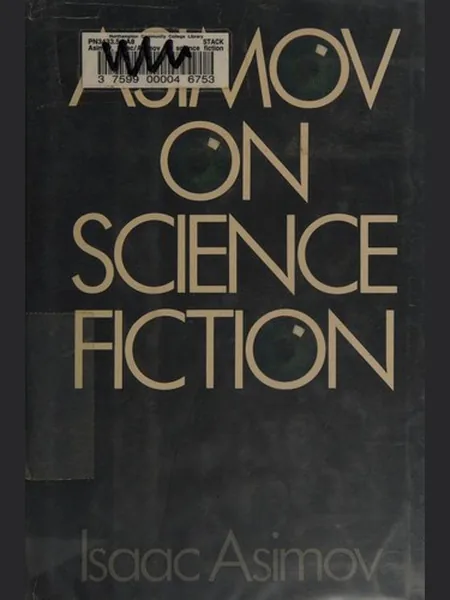

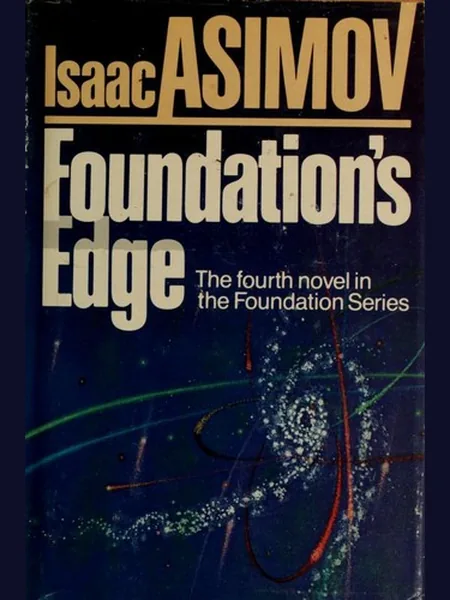
- 1st Doubleday1982 Hardback · Foundation series 6 I own Foundation's Edge, Doubleday 1982 Log in to want this
- Curley1982 Hardback · Foundation series 6 I own Foundation's Edge, Curley 1982 Log in to want this
- Granada1983 Hardback · Foundation series 6 I own Foundation's Edge, Granada 1983 Log in to want this
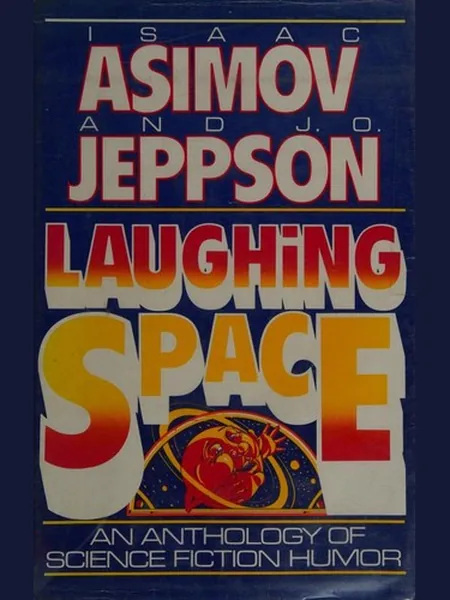






Frequently asked questions
What order should I read Isaac Asimov's books in?
In publication order they begin with The Genetic Code (1936), then Nightfall (1941) and I, Robot (1950). Books in a series are listed in series order on this page.
What was Isaac Asimov's first book?
The earliest book we list is The Genetic Code, first published in 1936.
When was Isaac Asimov born?
Isaac Asimov was born in 1920 and died in 1992.
How many Isaac Asimov books does MyVolumes track?
We track 126 books by Isaac Asimov across 234 editions, 93 of them first editions.
What awards has Isaac Asimov won?
Isaac Asimov has won Hugo Award (1963), James T. Grady-James H. Stack Award for Interpreting Chemistry (1965), Hugo Award for Best All-Time Series (1966), Humanist of the Year (1984), according to Wikidata.
Did Isaac Asimov write under another name?
Yes: Isaac Asimov also published as Paul French. Those books are listed here under the one author.
Where these facts come from
- Isaac Asimov, Wikipedia (en.wikipedia.org)
- I, Robot, Wikipedia (en.wikipedia.org)
- Foundation (Asimov novel), Wikipedia (en.wikipedia.org)
Every fact on this page was checked against the sources listed. Checked 17 October 2026. Reviewed by Harriet Ellis; read how we check facts.