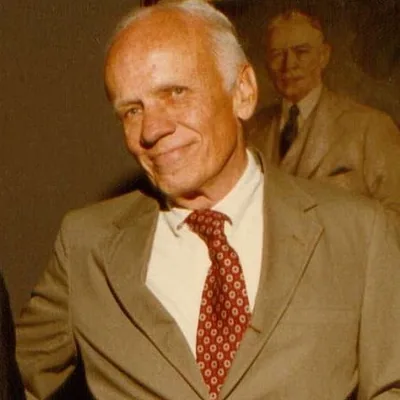
PERCY, WALKER, 1916 to 1990
Walker Percy
American philosophical novelist.
- Books
- 3
- Editions tracked
- 6
- First editions
- 3
- Nationality
- United States
- Born
- Birmingham, 1916
- Died
- Covington, 1990
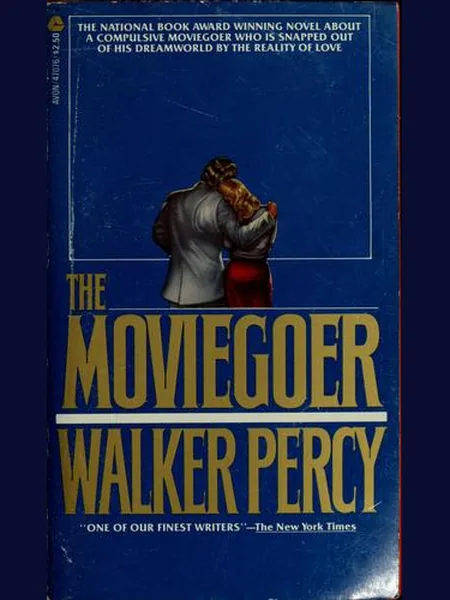
Walker Percy wrote 3 books we track between 1961 and 1983; in publication order they begin with The Moviegoer (1961).
About Walker Percy
Writer
- Known as
- writer, novelist, philosopher, physician
- Genres
- essay
- Citizenship
- United States
Background
- Educated at
- Columbia University Vagelos College of Physicians and Surgeons, University of North Carolina at Chapel Hill, Columbia University, Greenville High School
- Influenced by
- Albert Camus, Charles Sanders Peirce, Gabriel Marcel, Jean-Paul Sartre, Søren Kierkegaard, Susanne Langer
- Buried
- Louisiana
Awards and honours
- St. Louis Literary Award (1985)
- Jefferson Lecture (1989)
- Laetare Medal (1989)
- National Book Award (1962)
Notable works
From Wikidata (CC0); Wikipedia has articles on Walker Percy in 28 languages.
Collect Walker Percy
Walker Percy books in order
In publication order
- 1The Moviegoer1961
- 2Love in the Ruins1971
- 3Lost in the Cosmos1983
First editions, year by year
Which edition do you have?

We have not written Walker Percy's collecting guide yet. Know their books well? Tell us what collectors should look for.
Frequently asked questions
What order should I read Walker Percy's books in?
In publication order they begin with The Moviegoer (1961), then Love in the Ruins (1971) and Lost in the Cosmos (1983). Books in a series are listed in series order on this page.
What was Walker Percy's first book?
The earliest book we list is The Moviegoer, first published in 1961.
When was Walker Percy born?
Walker Percy was born in 1916 and died in 1990.
How many Walker Percy books does MyVolumes track?
We track 3 books by Walker Percy across 6 editions, 3 of them first editions.
What awards has Walker Percy won?
Walker Percy has won St. Louis Literary Award (1985), Jefferson Lecture (1989), Laetare Medal (1989), National Book Award (1962), according to Wikidata.