Ex-library books are copies that once sat on the shelves of a public, school, university or other institutional library and were later withdrawn and sold. They are easy to find, often cheap, and for most titles worth considerably less than a copy that never left private hands. But there are important exceptions, and knowing how to recognise, value and describe an ex-library copy will save you from overpaying or underselling.


What makes a book ex-library
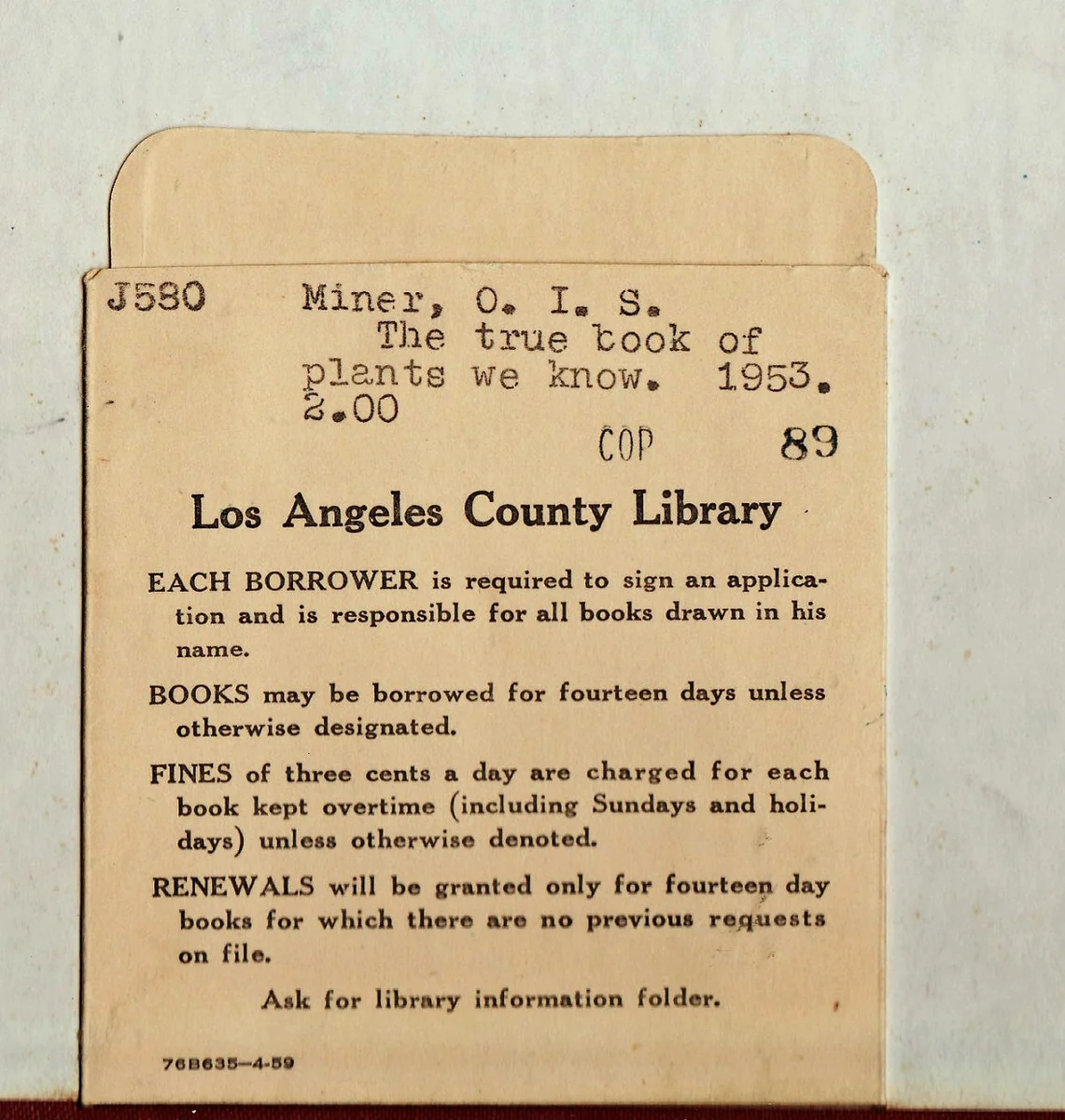
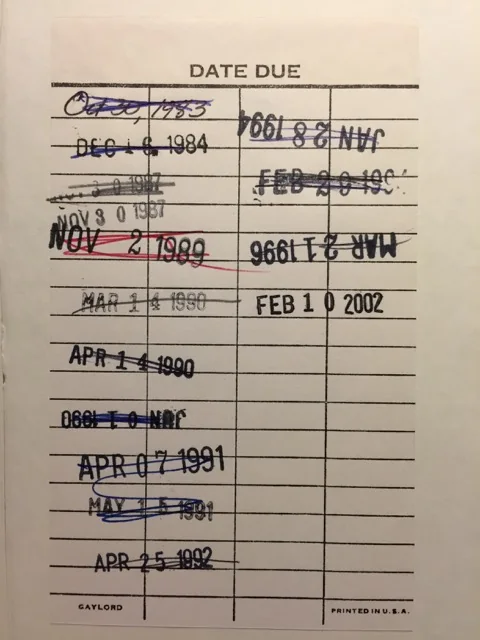
Libraries mark their stock so it can be catalogued, lent and recovered. The trade glossaries of the ABAA and IOBA list the same family of signs. Look for:
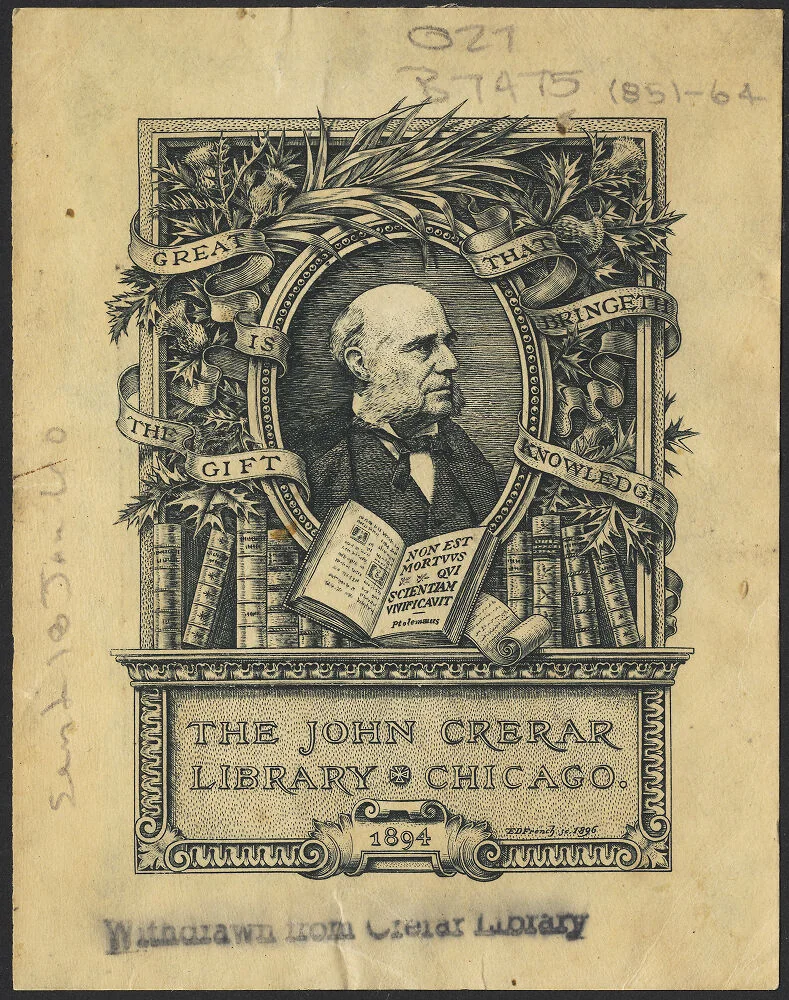

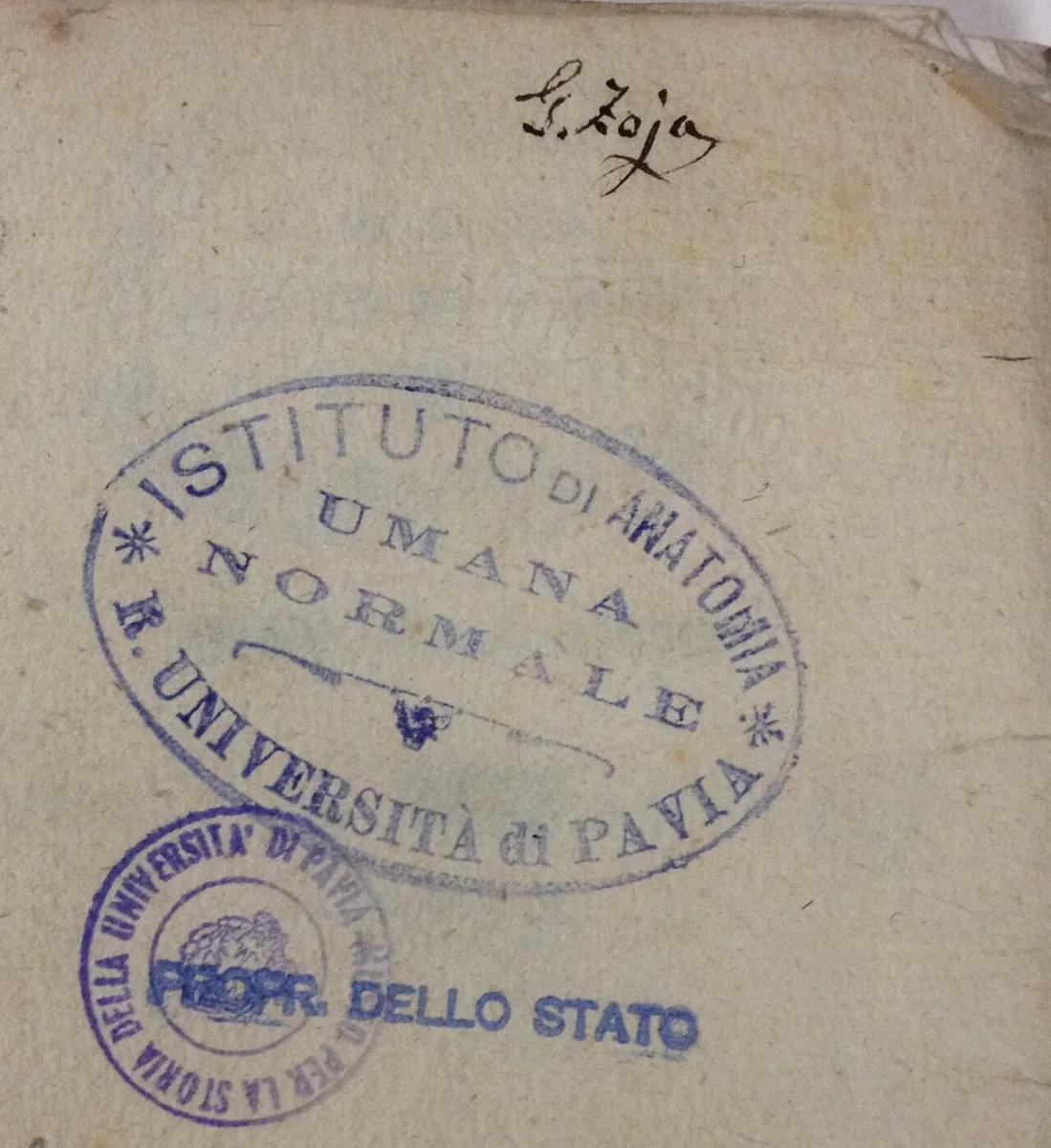

- Ownership stamps, inked or embossed, on the title page, the edges of the text block or a plate page.
- "Withdrawn" or "Discarded" stamps, added when the book left the collection.
- Spine labels and numbers: a classification number or shelf mark, painted or on a sticker, often with a letter code such as "J" for junior.
- Card pockets and date-due slips, glued to the front or rear pastedown or endpaper.
- Barcodes and accession labels, sometimes crossed out when withdrawn.
- Laminated or taped jackets: library jackets are often fixed inside a clear plastic sleeve that is glued or taped to the boards, so the jacket cannot be removed without damage.
- Rebinding or reinforced hinges: heavily used books were sometimes rebound in library buckram, which replaces the original publisher's binding.
- Wear from use: rubbed corners, cracked hinges, soiled pages and loose sections from years of lending.
Do not confuse ex-library with ex libris, the Latin for "from the library of", which usually means a private owner's bookplate. A bookplate is a provenance mark and can even add value if the owner is notable; see provenance and other terms in the glossary.
How much does it reduce value?
The trade agrees on the direction, if not a fixed percentage. The ABAA glossary describes ex-library copies as "of considerably lower monetary value" than copies that were never institutional property, and Biblio's condition guide says library pockets, stamps and similar marks lower resale value. AbeBooks says they are rarely collectable, because collectors care so much about condition.
Three things drive the discount:
| Factor | Why it matters |
|---|---|
| Permanent marks | Stamps on the title page and spine labels cannot be removed without further damage |
| Jacket | A laminated, taped or missing jacket can remove most of a modern first edition's value; see dust jackets explained |
| Wear | Years of borrowing usually mean a lower grade on the condition scale |
There is no rule of thumb that applies across all titles, so be wary of anyone who quotes one. For an ordinary title, an ex-library copy is often worth little more than a cheap reading copy. For a scarce one, the discount can be smaller than you would expect, because the alternative may be no copy at all.
When ex-library copies are still valuable
Library marks matter less when libraries bought most of the first printing. That happens with children's books and debut novels, where publishers expected library sales rather than shop sales.
The best-known example is Harry Potter and the Philosopher's Stone. Bloomsbury printed 500 hardback copies of the 1997 first impression, and about 300 of them went to libraries, according to both Richard Winterton Auctioneers and Antique Trader. Unmarked hardbacks are therefore very scarce, and ex-library copies are a realistic way for many collectors to own one.
Two sales show both sides of the story:
- An ex-library copy. On 10 July 2023, Richard Winterton Auctioneers in Lichfield sold a first impression withdrawn from Wolverhampton Library, bought in a library sale for 30p, for a hammer price of £10,500 against an estimate of £3,000 to £5,000. It still had its library identification sticker, a spine label marked "J" and a withdrawal stamp.
- A near-pristine copy. On 9 December 2021, Heritage Auctions in Dallas sold an unusually bright, unmarked copy for $471,000, a record for the book at the time, as reported by Fine Books & Collections.
So the ex-library copy was worth a great deal, and also a small fraction of the best copy. If you have a Bloomsbury hardback, check the points in the Harry Potter section and the number line guide: a true first impression has the full line "10 9 8 7 6 5 4 3 2 1".
Other cases where ex-library copies hold value include scarce early printings by authors such as J.K. Rowling, books whose only surviving copies are institutional, and copies with library provenance of their own, such as a book from a famous institution's collection.
Is it really withdrawn?
The IOBA warns that care should be taken to confirm a book has actually been withdrawn, especially when it is valuable. Practices vary between libraries, and not every legitimate discard carries a withdrawal stamp. A library stamp with no sign of withdrawal, on a book that is not obviously a sale copy, is worth questioning. Ask the seller where it came from; a reputable dealer will tell you.
How to describe an ex-library copy honestly
Buyers who discover library marks after purchase feel misled, and on most marketplaces they will be entitled to return the book. Say it first and say it clearly.
- Lead with it. Put "ex-library" in the title or first line of the description.
- List every mark and where it is: "library stamp on title page and fore-edge; withdrawn stamp on front pastedown; spine label; card pocket removed from rear endpaper, leaving a mark".
- Describe the jacket separately: laminated to the boards, in a removable sleeve, taped or absent.
- Grade the rest normally. Use the trade scale for the book and the jacket, and then add "ex-library" rather than letting it replace the grade.
- Photograph the marks. Show the title page, the spine and any pocket or label, not just the front cover.
- Do not remove marks before selling. Peeling labels or erasing stamps damages the paper, looks like concealment and does not make the copy any less ex-library.
Our guide to where to sell rare books in the UK explains how to photograph and list a book for each selling route.
Buying ex-library copies sensibly
An ex-library copy can be the right choice if you want the text in its first printing without paying for an unmarked copy. Buy it knowing it will rarely become the best copy in anyone's collection. Pay attention to the jacket, the extent of the marks on the title page and any rebinding. Do not confuse an ex-library copy with a library edition. Some publishers issued special editions in reinforced bindings for libraries, and a clean, unissued library edition is a different thing from a worn copy that has been lent hundreds of times. AbeBooks also notes that some withdrawn copies were barely borrowed, so judge each one on its actual condition rather than the label alone.
Store it as carefully as any other book: the care guide explains why a laminated jacket should be left alone rather than cut free.
Check your copy
Look up your book in Browse to confirm the edition and printing, then compare its points with the edition page. If it is a 1997 Bloomsbury hardback of Philosopher's Stone, start with the first impression page, then read how much is my book worth before you buy, sell or insure it.
Frequently asked questions
What does ex-library mean on a book listing?
It means the copy once belonged to a public, school or institutional library and has been withdrawn. Expect library marks such as stamps, a spine label, a card pocket or a laminated jacket, and usually more wear than a privately owned copy.
Are ex-library books worth anything?
Most are worth considerably less than unmarked copies and are bought as reading copies. The exception is a rare and wanted title where few unmarked copies survive, such as the 1997 Bloomsbury hardback of Harry Potter and the Philosopher's Stone, where ex-library copies have sold for thousands of pounds.
Is ex-library the same as ex libris?
No. Ex libris is Latin for 'from the library of' and usually refers to a private owner's bookplate. Ex-library refers to a copy withdrawn from a public or institutional library.
Should I remove library stamps, labels or pockets?
No. Removing them leaves scars, thins the paper and makes the copy look tampered with, and the book must still be described as ex-library. Leave the marks as they are and describe them honestly.
How many Harry Potter first edition hardbacks went to libraries?
Bloomsbury's first impression of Harry Potter and the Philosopher's Stone in 1997 included 500 hardbacks, and about 300 of those went to libraries. That is why many surviving hardback first impressions are ex-library copies.
Where these facts come from
- Ex library, Antiquarian Booksellers' Association of America glossary (abaa.org)
- Ex-library / ex-lib, Independent Online Booksellers Association book terms (ioba.org)
- Ex-library books, AbeBooks (abebooks.com)
- Guide to Biblio's book conditions, Biblio (help.biblio.co.uk)
- 30p Harry Potter library book sells for £10,500 at Lichfield auction, Richard Winterton Auctioneers, 2023 (richardwinterton.co.uk)
- Bought for 38 cents, tattered Harry Potter book sells for $13,500, Antique Trader, 2023 (antiquetrader.com)
- Harry Potter first edition sells for $471,000, sets modern literature world record, Fine Books & Collections, 2021 (finebooksmagazine.com)
Points of issue are listed only where at least two independent sources agree. Last reviewed 17 October 2026. Reviewed by Harriet Ellis; read how we check facts.
Last reviewed 17 October 2026.