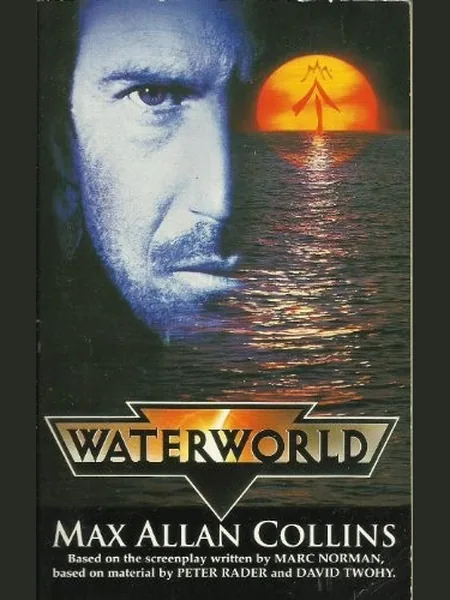
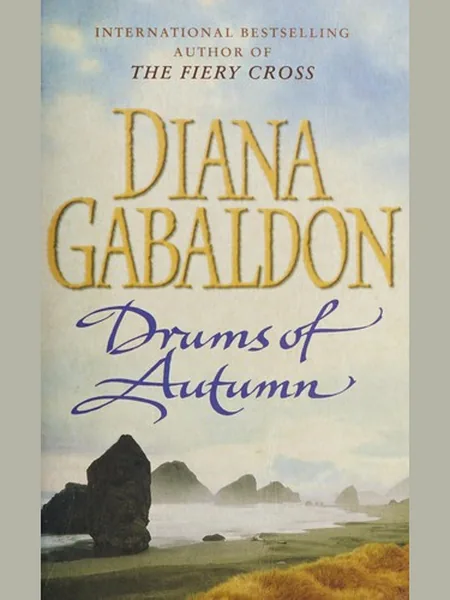
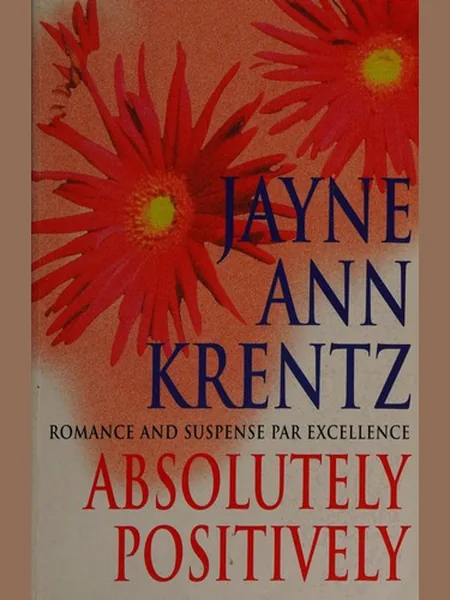
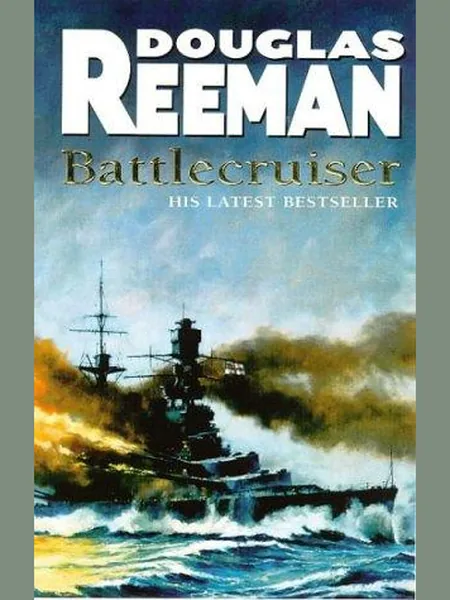
London mass-market paperback imprint, part of Hutchinson by 1968 and now of Penguin Random House. Arrow copies are almost always paperback reissues of a hardback first, so they are rarely true firsts.
Arrow Books is a publisher based in London, founded in 1953. We track 265 editions it published between 1967 and 2021, 22 of them first editions across 265 books. How Arrow Books marked its first editions is set out below, with a checker for the year on your title page.
About Arrow Books
Arrow Books is a British mass-market paperback imprint, now part of Penguin Random House UK.
When it started is poorly documented. BookBrainz gives 1953 as its founding year but does not cite a primary record. By the late 1960s Arrow was an imprint of Hutchinson, the London house that Sir George Hutchinson had set up in 1887: in October 1968 Arrow Books Limited brought out the British paperback of 2001: A Space Odyssey, which Hutchinson had already issued in hardback.
In 1985 Hutchinson joined with Century Publishing to make Century Hutchinson. That group passed into the British Random House Group in 1989 and traded for a short time, from 1990 to 1992, as Random Century. Arrow stayed with Random House as one of its paperback lists, and when Random House and Penguin combined in July 2013 it became part of Penguin Random House, whose UK office in Vauxhall Bridge Road, London, is the address BookBrainz records for it. Recent Arrow paperbacks on BookBrainz include British editions of Jurassic Park and several Star Wars novels.
Holding a copy? The first edition checker shows Arrow Books's practice for the year on your title page.
Identification
How to identify Arrow Books first editions
What to look for
Arrow is a paperback imprint, not a hardback house. For most titles an Arrow copy is a later, cheaper reissue of a book first published in hardback, often by its parent or a sister imprint, so it is not the first edition. 2001: A Space Odyssey is a typical case: Hutchinson issued the hardback first and Arrow followed with the paperback in October 1968.
1950s to 1960s
Look on the copyright page for the original hardback publisher and date. If the book appeared in hardback first, the Arrow copy is at most a first paperback printing, which dealers call "first thus", not a true first.
Hutchinson, Arrow's parent at the time, marked its hardback firsts after the 1940s with "First published" and the date on the copyright page, so that is the edition to look for.
1970s to 1990s
From the 1970s most publishers put a number line on the copyright page. The lowest number showing is usually the printing, so a line that still contains 1 indicates a first printing of that Arrow edition.
A first printing of an Arrow reissue is still not a first edition of the work. Check for an earlier Hutchinson, Century or other hardback.
From 2000
Arrow is still a mass-market paperback imprint of Penguin Random House, so for most titles a hardback from another imprint comes first.
Read the number line as above: the lowest number is the printing.
Arrow is a paperback imprint, not a hardback house. For most titles an Arrow copy is a later, cheaper reissue of a book first published in hardback, often by its parent or a sister imprint, so it is not the first edition. 2001: A Space Odyssey is a typical case: Hutchinson issued the hardback first and Arrow followed with the paperback in October 1968. 1950s to 1960s - Look on the copyright page f
How many Arrow Books books does MyVolumes track?
We track 265 editions published by Arrow Books, 22 of them first editions, across 265 books.