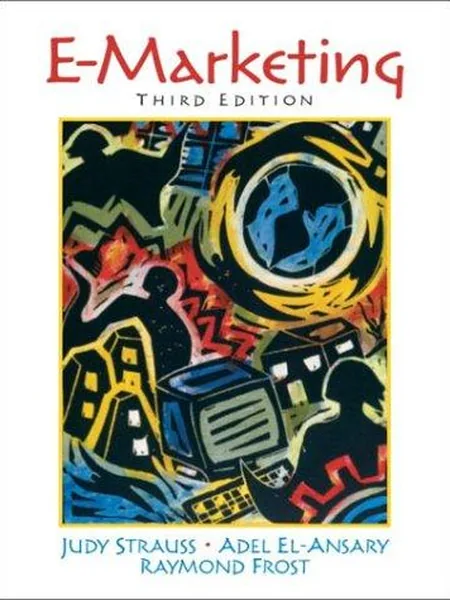
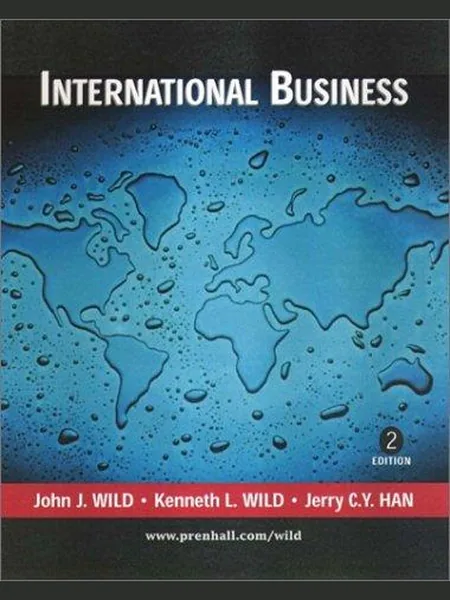
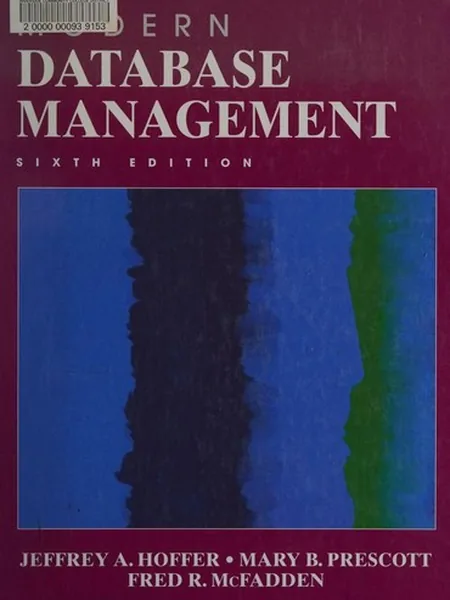
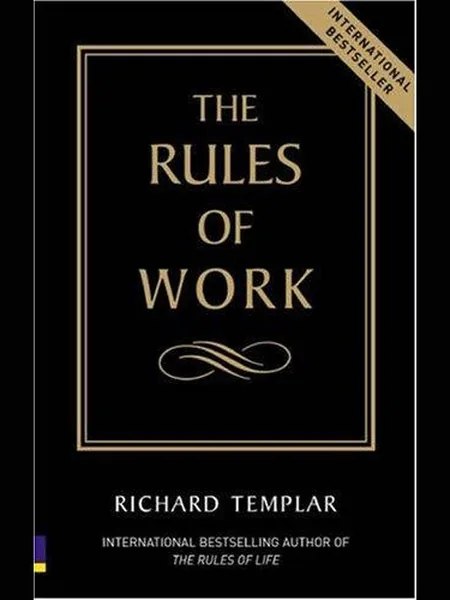
Prentice-Hall was an American textbook and trade publisher founded in 1913, owned by Pearson from 1998 and defunct by 2020. Its trade list, which ended in 1991, holds its collectable firsts.
Prentice-Hall is a publisher based in Upper Saddle River, founded in 1913. We track 441 editions it published between 1942 and 2010, 344 of them first editions across 396 books. How Prentice-Hall marked its first editions is set out below, with a checker for the year on your title page.
About Prentice-Hall
Prentice-Hall was an American publisher founded in 1913, best known for school and college textbooks and professional books, which also ran a trade list until 1991.
It was started by Charles Gerstenberg and Richard Ettinger, who named it after their mothers' maiden names, Prentice and Hall. Besides textbooks it sold loose-leaf information services and professional titles, and in 1979 it bought the training firm Deltak. Its books gave New York as the imprint place in the early 1950s and Englewood Cliffs, New Jersey, by the end of that decade.
Its trade list produced some lasting sellers, among them Norman Vincent Peale's The Power of Positive Thinking (1952) and the anonymous Go Ask Alice (1971), both sought by collectors in first printing.
Gulf+Western bought Prentice-Hall in 1984 and placed it inside Simon & Schuster. Trade publishing stopped in 1991, and in 1994 the legal and financial services were sold, the law and business unit going to Wolters Kluwer. In 1998 Pearson bought the educational business and folded its college titles into Pearson Education. After Pearson's school publishing was sold and renamed Savvas Learning in 2019 to 2020, the Prentice Hall name was listed as defunct by May 2020.
Holding a copy? The first edition checker shows Prentice-Hall's practice for the year on your title page.
Identification
How to identify Prentice-Hall first editions
What to look for
What a collector should know first: most Prentice-Hall books are textbooks, whose numbered editions (second edition, third edition) are revisions rather than reprints and attract little collector interest. Collectors mainly want the trade titles of the 1950s to 1970s.
1940s to 1960s
The imprint place moved from New York (on 1950 and 1952 titles) to Englewood Cliffs, New Jersey (by 1959), which helps date an undated copy.
The first printing of The Power of Positive Thinking (1952) is bound in blue cloth.
1970s to 1991
Number lines came into general use on American books from the 1970s; on such a line the lowest number shows the printing, so a line that includes 1 is a first printing.
Prentice-Hall's trade list ended in 1991, so trade first editions under this name stop there.
From 1991
Prentice Hall continued only as an educational and professional imprint, under Simon & Schuster and from 1998 under Pearson. Revised textbook editions are labelled as new editions and have little standing as collectable firsts.
What a collector should know first: most Prentice-Hall books are textbooks, whose numbered editions (second edition, third edition) are revisions rather than reprints and attract little collector interest. Collectors mainly want the trade titles of the 1950s to 1970s. 1940s to 1960s - The imprint place moved from New York (on 1950 and 1952 titles) to Englewood Cliffs, New Jersey (by 1959), which h
How many Prentice-Hall books does MyVolumes track?
We track 441 editions published by Prentice-Hall, 344 of them first editions, across 396 books.