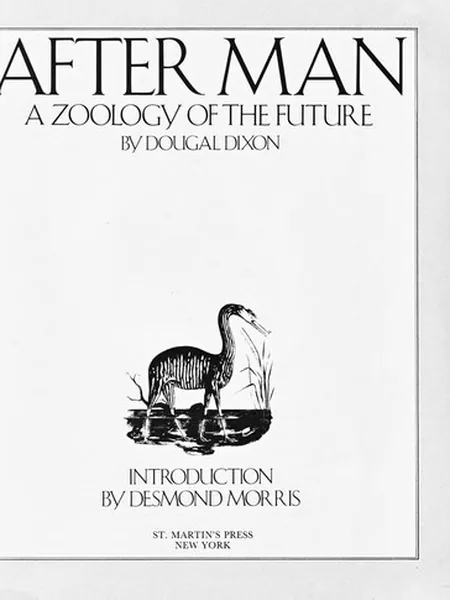
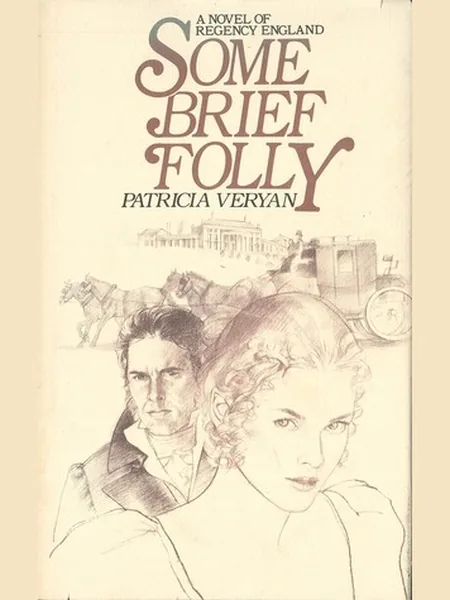
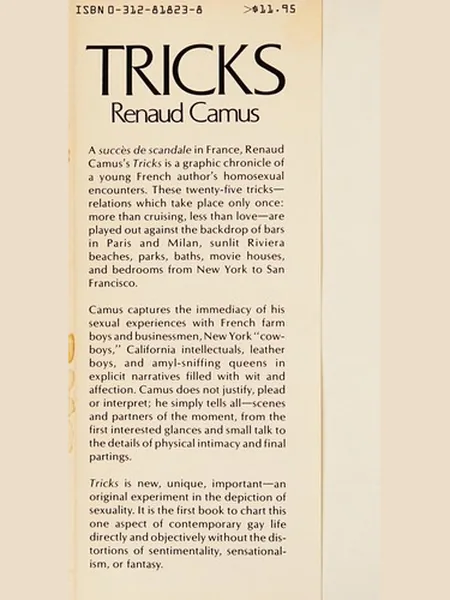
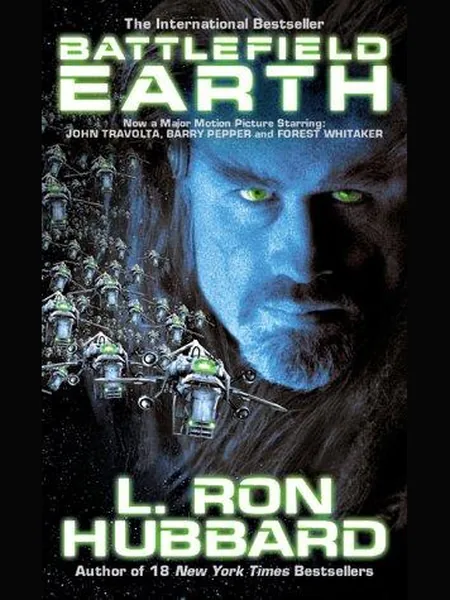
St. Martin's Press is a New York publisher founded by Macmillan in 1952. It was Herriot's US publisher and first published The Forever War in book form, and is now owned by Holtzbrinck.
St. Martin's Press is a publisher based in New York City, founded in 1952. We track 386 editions it published between 1958 and 2025, 280 of them first editions across 384 books. How St. Martin's Press marked its first editions is set out below, with a checker for the year on your title page.
About St. Martin's Press
St. Martin's Press is a New York trade publisher founded in 1952 by the British house Macmillan and named after St Martin's Lane in London, where Macmillan was based. Macmillan was sold to the German group Holtzbrinck in 1995, and St. Martin's is now part of that group.
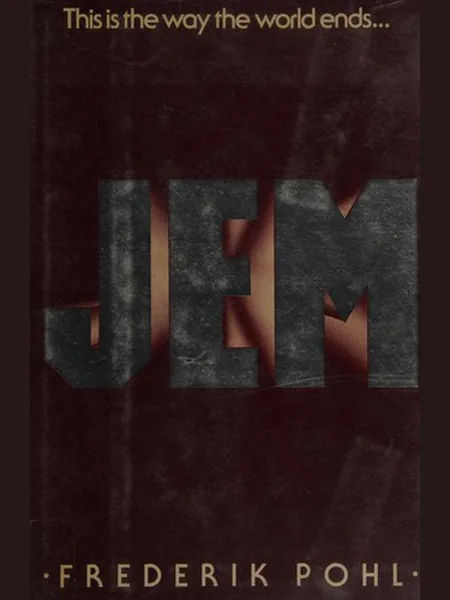
The press issues around 700 titles a year across six imprints. For collectors, two lists stand out. It brought out the first book edition of Joe Haldeman's The Forever War in 1974, after the novel had run as a serial in Analog. In 1972 its editor Thomas McCormack took James Herriot's first two British books, If Only They Could Talk and It Shouldn't Happen to a Vet, and issued them together in the United States as one volume called All Creatures Great and Small, with new cover art; it became an American bestseller.
St. Martin's set up its textbook division, Bedford-St. Martin's, in 1981 and bought Tor-Forge Books in 1987. Its present imprints include St. Martin's Griffin, Minotaur for crime and Wednesday Books for young adult readers, and its authors include Louise Penny, Mary Kay Andrews, Nora Roberts and Casey McQuiston.
Holding a copy? The first edition checker shows St. Martin's Press's practice for the year on your title page.
Identification
How to identify St. Martin's Press first editions
What to look for
1950s to 1970s
St. Martin's did not normally label first editions. A first printing has the correct year on the title page or copyright page and says nothing about other printings.
Later printings were generally noted on the copyright page, so a copy with no printing note and a matching date is the one to want.
1980s to 1990s
From the early 1980s the copyright page carries a first edition statement and a number row.
A first printing still shows 1 in the row; if the lowest number is higher than 1, the copy is a later printing.
A jacket with no printed price is most often a book club edition.
Book club copies are often smaller than the trade edition and made with cheaper paper.
Look for a small blind stamp (a dot or simple shape) pressed into the back board near the foot; Book-of-the-Month Club copies commonly have one.
How do I identify a St. Martin's Press first edition?
1950s to 1970s - St. Martin's did not normally label first editions. A first printing has the correct year on the title page or copyright page and says nothing about other printings. - Later printings were generally noted on the copyright page, so a copy with no printing note and a matching date is the one to want. 1980s to 1990s - From the early 1980s the copyright page carries a first edition st
How many St. Martin's Press books does MyVolumes track?
We track 386 editions published by St. Martin's Press, 280 of them first editions, across 384 books.
Sources
Where these facts come from
First-Edition Identification by Publisher (Allen and Patricia Ahearn), ILAB, 2010 (ilab.org)