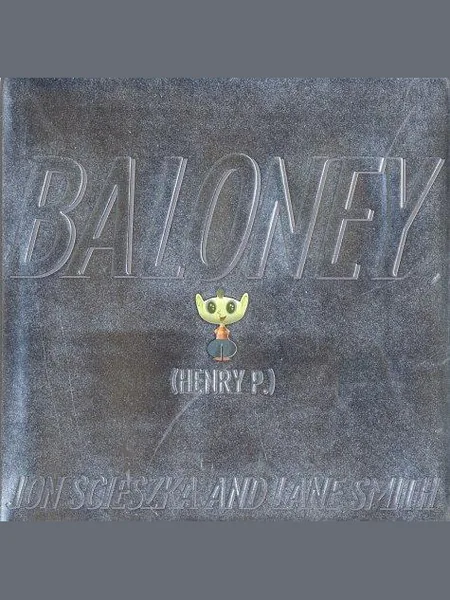
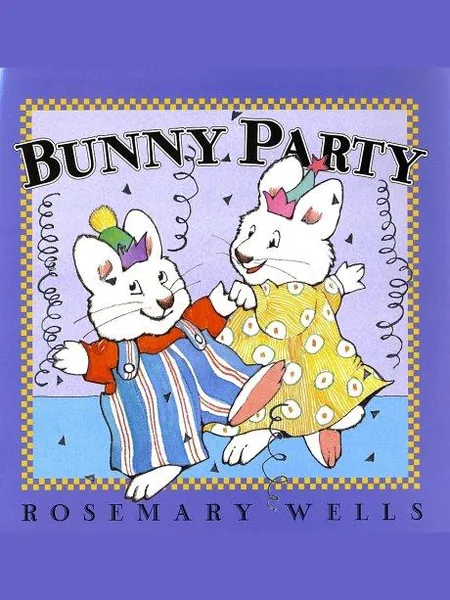
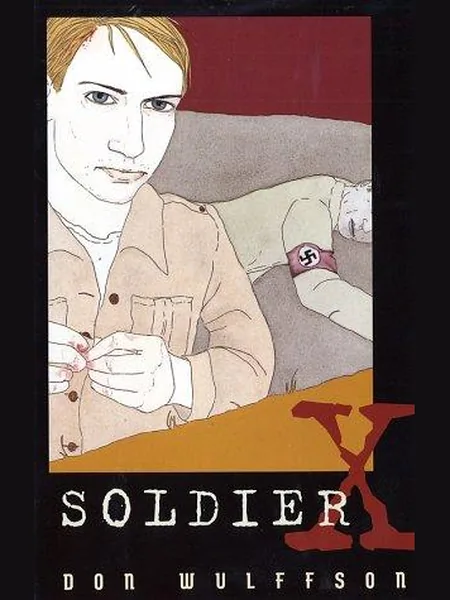
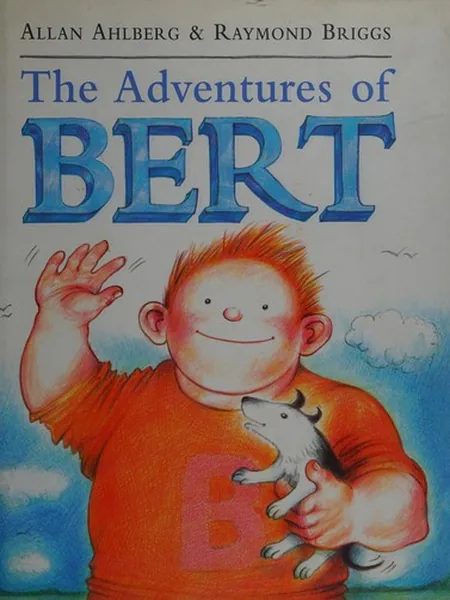
Viking is a publisher founded in New York in 1925 by Harold Guinzburg and George Oppenheimer; it published Steinbeck, Kerouac and Stephen King and has belonged to Penguin since 1975.
Viking is a publisher based in New York City, founded in 1925. We track 608 editions it published between 1913 and 2024, 423 of them first editions across 603 books. How Viking marked its first editions is set out below, with a checker for the year on your title page.
About Viking
Viking, originally The Viking Press, is an American publisher founded in New York City in 1925 by Harold K. Guinzburg and George S. Oppenheimer, and it is now an imprint of Penguin Random House in both the United States and Britain.
In August 1925 the new firm merged with B. W. Huebsch, Inc., and the combined business traded as The Viking Press, Inc. In 1933 it opened a children's department under the editor May Massee; its first title was The Story About Ping (1933), and Viking's children's list went on to include The Story of Ferdinand and Make Way for Ducklings. The adult list included John Steinbeck, Jack Kerouac, Saul Bellow, Arthur Miller and Graham Greene, and Viking also ran the Viking Portable Library.
From 1979 Viking was the American hardback publisher of many Stephen King novels, including The Dead Zone (1979), Cujo (1981) and Different Seasons (1982).
Penguin bought Viking in 1975 for a reported 12 million dollars, and by the mid 1980s the American company was trading as Viking Penguin. Viking is now owned by Penguin Random House, while in Britain Viking is a Penguin General imprint.
Holding a copy? The first edition checker shows Viking's practice for the year on your title page.
Identification
How to identify Viking first editions
British practice
Viking's British list, published in London under Penguin, marks a first impression with a "First published" line and a complete number line on the reverse of the title page.
How to read it
A title Viking published first in London reads "First published (year)"; a title already published elsewhere reads "First published in Great Britain by Viking (year)".
A first impression carries the full number line down to 1. Later impressions keep the original "First published" year but lose the lower numbers, so the number line, not the date, tells you the impression.
Traps
A British first is not always the first edition. "First published in Great Britain" marks a book that had appeared elsewhere first, so the London copy is the first British edition.
Example
Salman Rushdie's The Satanic Verses (Viking, London, 1988): the first impression states "First published 1988" on the copyright page. Later impressions keep the 1988 date but start the number line higher, for instance at 12.
US first editions
A Viking first printing shows no note of a later printing on its copyright page, because Viking has always recorded each reprint there.
By period
Before 1937 Viking usually printed no edition statement, but each reprint was noted on the copyright page with its date, so a copy with no reprint note is a first printing.
From 1937 first printings typically read "First published by Viking in (year)", "Published by Viking in (year)" or a similar "First published" line, and later printings are listed beneath it.
In the 1980s Viking added a number line to later printings only, so a first printing of that period may have no number line at all.
How to read it
Count the lines under the publication statement. None means a first printing; any further printing line, however early its date, means a later printing. The publication date at the top stays on every reprint, so it is never the test.
Traps
The 1980s number line works the other way round. On Viking books of that period a number line can itself mark a reprint, so do not expect to find a 1 on a first printing.
Book club copies. A club jacket usually has no price on the front flap. Many club copies are smaller than the trade edition, but Book-of-the-Month Club copies are usually the same size and quality, so size alone is no guide: look also for a small blind stamp (a dot, circle or square) on the rear board. BOMC printed prices on some jackets in the 1970s, but those copies still carry the stamp.
Example
The Grapes of Wrath (1939): the first printing reads "First Published in April 1939" on the copyright page with no later printing below it, and the first-issue jacket carries a "First Edition" notice.
Viking's British list, published in London under Penguin, marks a first impression with a "First published" line and a complete number line on the reverse of the title page. How to read it - A title Viking published first in London reads "First published (year)"; a title already published elsewhere reads "First published in Great Britain by Viking (year)". - A first impression carries the full num
How many Viking books does MyVolumes track?
We track 608 editions published by Viking, 423 of them first editions, across 603 books.
Sources
Where these facts come from
The Satanic Verses, Viking 1988, first edition listings (Cranston & Perry, Richard Sylvanus Williams, Vagabond Books, Klondyke, Librairie Raimbeau and others), AbeBooks search results, 2026 (abebooks.co.uk)
Viking London first British editions quoting "First published in Great Britain by Viking" (Belohlavek Books, Black Falcon Books), AbeBooks search results, 2026 (abebooks.co.uk)