IONESCO, EUGÈNE, 1909 to 1994
Eugène Ionesco books in order
Eugène Ionesco (1909-1994) was a Romanian-French playwright of the Theatre of the Absurd, author of The Bald Soprano and Rhinoceros.
- Books
- 4
- Editions tracked
- 5
- First editions
- 3
- Nationality
- Romania
- Born
- Slatina, 1909
- Died
- 14th arrondissement of Paris, 1994
Eugène Ionesco wrote 4 books we track between 1958 and 1965; in publication order they begin with The Lesson (1958).
About Eugène Ionesco
Writer
- Known as
- playwright, poet, literary critic, diarist
- Movement
- theatre of the absurd, Dada
- Citizenship
- Romania, France
Background
- Educated at
- University of Bucharest, Carol I National College, Fraţii Buzeşti National College, Saint Sava College
- Influenced by
- Samuel Beckett, Franz Kafka, Alfred Jarry, Ion Luca Caragiale, Tristan Tzara, Urmuz
- Buried
- Montparnasse Cemetery
Awards and honours
- Commandeur des Arts et des Lettres
- Prince Pierre Award
- Commander of the National Order of Merit
- Jerusalem Prize (1973)
- Pour le Mérite for Sciences and Arts order
- Prix du Brigadier
- Austrian State Prize for European Literature (1971)
- Officer of the Legion of Honour
Notable works
- The Chairs
- Rhinoceros
- The Killer
- The New Tenant
- The Bald Soprano
From Wikidata (CC0); Wikipedia has articles on Eugène Ionesco in 79 languages.
Collect Eugène Ionesco
Eugène Ionesco books in order
In publication order
- 1The Lesson1958
- 2Rhinoceros1959
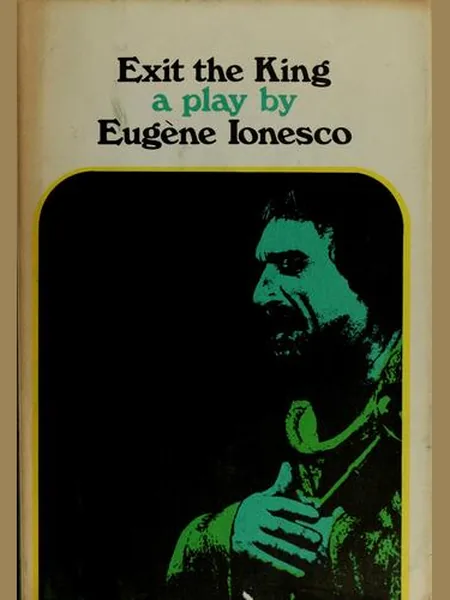
- 3Exit the King1963
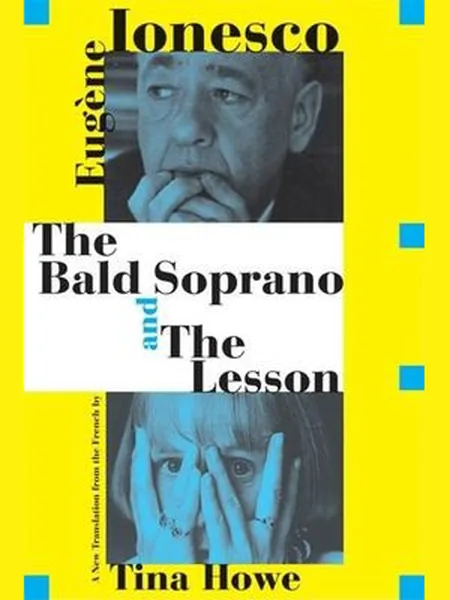
- 4The Bald Soprano1965
First editions, year by year
Which edition do you have?

Frequently asked questions
What order should I read Eugène Ionesco's books in?
In publication order they begin with The Lesson (1958), then Rhinoceros (1959) and Exit the King (1963). Books in a series are listed in series order on this page.
What was Eugène Ionesco's first book?
The earliest book we list is The Lesson, first published in 1958.
When was Eugène Ionesco born?
Eugène Ionesco was born in 1909 and died in 1994.
How many Eugène Ionesco books does MyVolumes track?
We track 4 books by Eugène Ionesco across 5 editions, 3 of them first editions.
What awards has Eugène Ionesco won?
Eugène Ionesco has won Commandeur des Arts et des Lettres, Prince Pierre Award, Commander of the National Order of Merit, Jerusalem Prize (1973), according to Wikidata.
Where these facts come from
- Eugène Ionesco, Wikipedia (en.wikipedia.org)
- Eugène Ionesco, Académie française (academie-francaise.fr)
- The Bald Soprano, Wikipedia (en.wikipedia.org)
- Rhinoceros (play), Wikipedia (en.wikipedia.org)
- Rhinoceros (Q1215121), Wikidata (wikidata.org)
Every fact on this page was checked against the sources listed. Checked 21 October 2026. Reviewed by Harriet Ellis; read how we check facts.