
LAHIRI, JHUMPA, born 1967
Jhumpa Lahiri
Jhumpa Lahiri (born 1967) is a British-American author whose debut Interpreter of Maladies won the 2000 Pulitzer Prize for Fiction.
- Books
- 6
- Editions tracked
- 9
- First editions
- 5
- Nationality
- United States, United Kingdom
- Born
- London, 1967
Jhumpa Lahiri wrote 6 books we track between 1999 and 2018; in publication order they begin with Interpreter of Maladies (1999).
About Jhumpa Lahiri
Writer
- Known as
- novelist, writer, university teacher, actor
- Citizenship
- United States, India, United Kingdom
Background
- Educated at
- Boston University, Barnard College, Boston University College of Arts and Sciences, South Kingstown High School
- Influenced by
- Anton Chekhov
Awards and honours
- Guggenheim Fellowship (2002)
- Pulitzer Prize for Fiction (2000)
- O. Henry Award (1999)
- Hemingway Foundation/PEN Award (2000)
- National Humanities Medal (2014)
- Viareggio-Versilia International Prize (2015)
- Asian/Pacific American Awards for Literature (2009)
- Asian American Literary Awards (2009)
Notable works
From Wikidata (CC0); Wikipedia has articles on Jhumpa Lahiri in 62 languages.
Collect Jhumpa Lahiri
Jhumpa Lahiri books in order
In publication order
- 1Interpreter of Maladies1999
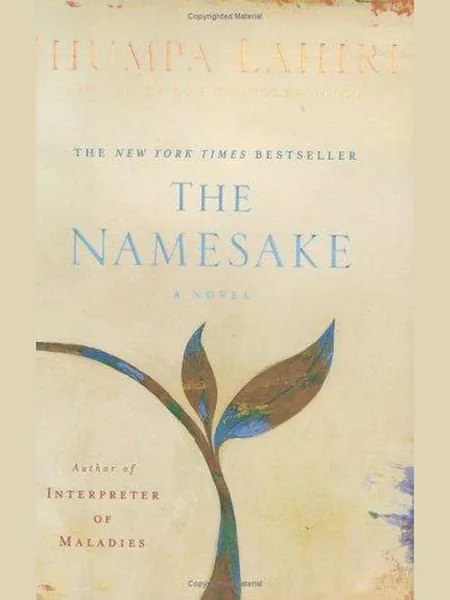
- 2The Namesake2003
- 3Unaccustomed Earth2008
- 4The Lowland2013
- 5In Other Words2016
- 6Whereabouts2018
First editions, year by year
Which edition do you have?






Frequently asked questions
What order should I read Jhumpa Lahiri's books in?
In publication order they begin with Interpreter of Maladies (1999), then The Namesake (2003) and Unaccustomed Earth (2008). Books in a series are listed in series order on this page.
What was Jhumpa Lahiri's first book?
The earliest book we list is Interpreter of Maladies, first published in 1999.
When was Jhumpa Lahiri born?
Jhumpa Lahiri was born in 1967.
How many Jhumpa Lahiri books does MyVolumes track?
We track 6 books by Jhumpa Lahiri across 9 editions, 5 of them first editions.
What awards has Jhumpa Lahiri won?
Jhumpa Lahiri has won Guggenheim Fellowship (2002), Pulitzer Prize for Fiction (2000), O. Henry Award (1999), Hemingway Foundation/PEN Award (2000), according to Wikidata.
Where these facts come from
- Jhumpa Lahiri, Wikipedia (en.wikipedia.org)
- Interpreter of Maladies, Wikipedia (en.wikipedia.org)
- The Namesake (novel), Wikipedia (en.wikipedia.org)
Every fact on this page was checked against the sources listed. Checked 22 October 2026. Reviewed by Harriet Ellis; read how we check facts.