
DICK, PHILIP K., 1928 to 1982
Philip K. Dick
Philip K. Dick (1928-1982) was an American science fiction writer, author of The Man in the High Castle and Do Androids Dream of Electric Sheep?.
- Books
- 49
- Editions tracked
- 90
- First editions
- 36
- Nationality
- United States
- Born
- Chicago, 1928
- Died
- Santa Ana, 1982
Philip K. Dick wrote 49 books we track between 1955 and 2011; in publication order they begin with Solar Lottery (1955).
About Philip K. Dick
Writer
- Known as
- novelist, essayist, science fiction writer, philosopher
- Genres
- science fiction, speculative fiction
- Movement
- postmodern literature
- Citizenship
- United States
- Also wrote as
- Jack Dowland, Richard Phillipps
Background
- Educated at
- Berkeley High School, University of California, Berkeley
- Buried
- Riverside Cemetery
Awards and honours
- Hugo Award for Best Novel (1963)
- John W. Campbell Memorial Award for Best Science Fiction Novel (1975)
- BSFA Award for Best Novel (1978)
- Golden Graoully for Best Foreign Novel (1979)
- Hugo Award for Best Dramatic Presentation (1983)
- Kurd Lasswitz Award for Best Foreign Work (1985)
- Readercon Small Press Awards (1989)
- Readercon Small Press Awards (1990)
Notable works
- Ubik
- Do Androids Dream of Electric Sheep?
- The Man in the High Castle
- A Scanner Darkly
- Flow My Tears, the Policeman Said
- VALIS trilogy
- Eye in the Sky
- Dr. Bloodmoney, or How We Got Along After the Bomb
From Wikidata (CC0); Wikipedia has articles on Philip K. Dick in 75 languages.
Collect Philip K. Dick
Philip K. Dick books in order
In publication order
- 1Solar Lottery1955
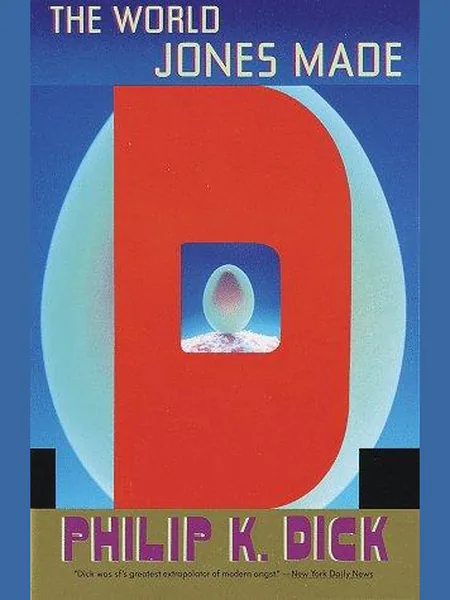
- 2The World Jones Made1956
- 3Eye in the Sky1957
- 4The Cosmic Puppets1957
- 5Time Out of Joint1959
- 6Dr. Futurity1960
- 7Vulcan's Hammer1960
- 8The Man in the High Castle1962
- 9The Game-players of Titan1963
- 10Clans of the Alphane Moon1964
- 11Martian Time-Slip1964
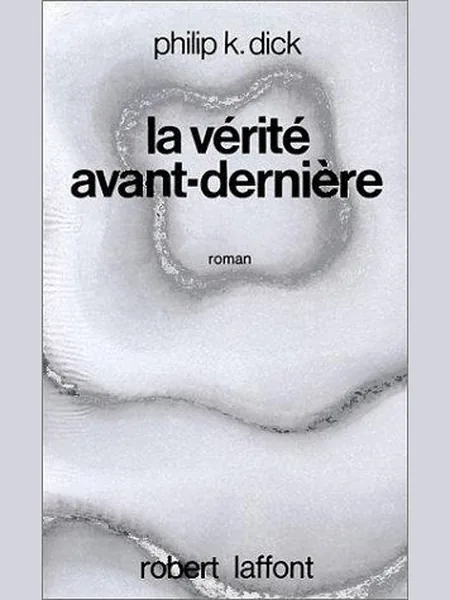
- 12The Penultimate Truth1964
Show all 49 books in order
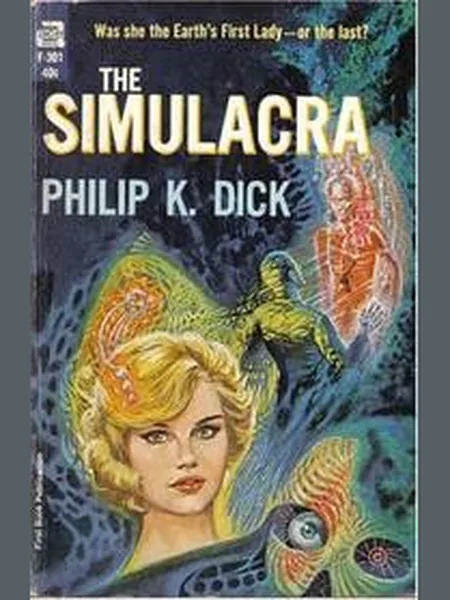
- 13The Simulacra1964
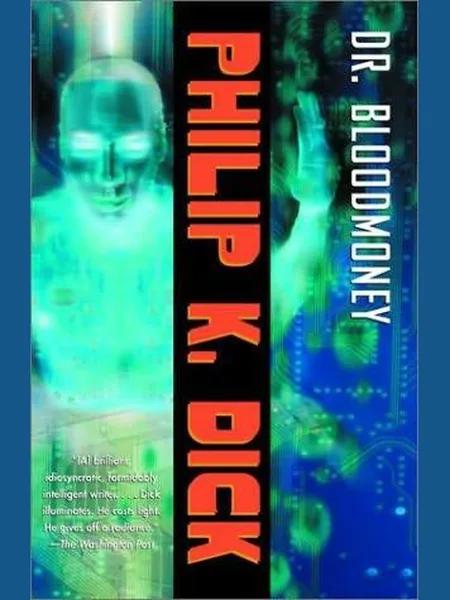
- 14Dr. Bloodmoney1965
- 15The Three Stigmata of Palmer Eldritch1965
- 16Lies, Inc1966
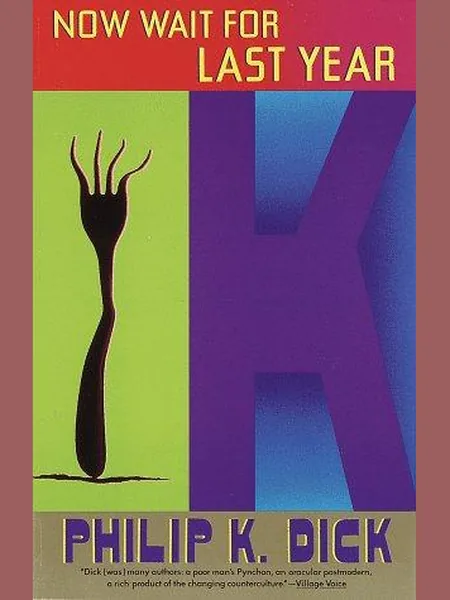
- 17Now Wait for Last Year1966
- 18The Crack in Space1966
- 19Counter-Clock World1967
- 20The Ganymede Takeover1967
- 21The Zap Gun1967
- 22Do Androids Dream of Electric Sheep?1968
- 23Galactic Pot-Healer1969
- 24The Preserving Machine1969
- 25Ubik1969
- 26A Maze of Death1970
- 27Our Friends from Frolix 81970
- 28We Can Build You1972
- 29Flow My Tears, the Policeman Said1974
- 30Confessions of a Crap Artist1975
- 31Deus Irae1976
- 32A Scanner Darkly1977
- 33I Hope I Shall Arrive Soon1980
- 34The Divine Invasion1981
- 35Valis1981
- 36The Transmigration of Timothy Archer1982
- 37In Milton Lumky Territory1984
- 38The Man Whose Teeth Were All Exactly Alike1984
- 39Puttering About in a Small Land1985
- 40Radio Free Albemuth1985
- 41Humpty Dumpty in Oakland1986
- 42The Collected Stories of Philip K. Dick1987
- 43The Father-Thing1987
- 44The Broken Bubble1988
- 45The VALIS Trilogy1990
- 46We Can Remember It for You Wholesale1990
- 47Short Stories1997
- 48Minority Report2002
- 49The Exegesis of Philip K. Dick2011
By series
First editions, year by year
- 1955Solar LotteryAce Books
- 1957Eye in the SkyAce Books
- 1957The Cosmic PuppetsAce Books
- 1959Time Out of JointLippincott
- 1960Dr. FuturityAce Books
- 1960Vulcan's HammerAce Books
- 1962The Man in the High CastleG.P. Putnam's Sons
- 1964Martian Time-SlipBallantine Books
- 1964The Penultimate TruthBelmont Books
- 1964Os Clãs Da Lua de AlfaEuropa-América
- 1964The SimulacraAce Books
- 1965The Three Stigmata of Palmer EldritchDoubleday
- 1966Now Wait for Last YearDoubleday
- 1966The Crack in SpaceAce Books
- 1967Counter-Clock WorldBerkley
- 1968Do Androids Dream of Electric Sheep?Doubleday
- 1969UbikDoubleday Science Fiction
- 1969Galactic Pot-HealerBerkley
- 1969The Preserving MachineAce Books
- 1970A Maze of DeathDoubleday
- 1970Our Friends from Frolix 8Ace Books
- 1972We Can Build YouDAW Books
- 1975Confessions of a Crap Artist--Jack Isidore (of Seville, Calif.)Entwhistle Books
- 1976Deus IraeDoubleday
- 1981The Divine Invasiondistributed by Simon & Schuster
- 1984In Milton Lumky TerritoryDragon
- 1984The Man Whose Teeth Were All Exactly AlikeMark V. Ziesing
- 1985Radio Free AlbemuthArbor House
- 1985Puttering About in a Small LandAcademy Chicago
- 1986Humpty Dumpty in OaklandOrion Publishing Group
- 1987The Collected Stories of Philip K. DickUnderwood-Miller
- 1987The Father-ThingUnderwood Miller
- 1988The Broken BubbleArbor House
- 1990The VALIS TrilogyBook-Of-The-Month Club
- 1997The Philip K. Dick ReaderCarol Pub. Group
- 2011The Exegesis of Philip K. DickHoughton Mifflin Harcourt Publishing Company
Which edition do you have?









Frequently asked questions
What order should I read Philip K. Dick's books in?
In publication order they begin with Solar Lottery (1955), then The World Jones Made (1956) and Eye in the Sky (1957). Books in a series are listed in series order on this page.
What was Philip K. Dick's first book?
The earliest book we list is Solar Lottery, first published in 1955.
When was Philip K. Dick born?
Philip K. Dick was born in 1928 and died in 1982.
How many Philip K. Dick books does MyVolumes track?
We track 49 books by Philip K. Dick across 90 editions, 36 of them first editions.
What awards has Philip K. Dick won?
Philip K. Dick has won Hugo Award for Best Novel (1963), John W. Campbell Memorial Award for Best Science Fiction Novel (1975), BSFA Award for Best Novel (1978), Golden Graoully for Best Foreign Novel (1979), according to Wikidata.
Did Philip K. Dick write under another name?
Yes: Philip K. Dick also published as Jack Dowland, Richard Phillipps. Those books are listed here under the one author.
Where these facts come from
- Philip K. Dick, Wikipedia (en.wikipedia.org)
- Philip K. Dick (Q171091), Wikidata (wikidata.org)
- The Man in the High Castle, Wikipedia (en.wikipedia.org)
- Do Androids Dream of Electric Sheep?, Wikipedia (en.wikipedia.org)
Every fact on this page was checked against the sources listed. Checked 17 October 2026. Reviewed by Harriet Ellis; read how we check facts.