ZELAZNY, ROGER, 1937 to 1995
Roger Zelazny
Roger Zelazny (1937-1995) was an American science fiction and fantasy writer, author of Lord of Light and the Chronicles of Amber.
- Books
- 31
- Editions tracked
- 57
- First editions
- 28
- Nationality
- United States
Roger Zelazny wrote 31 books we track between 1965 and 1999; in publication order they begin with This Immortal (1965).
Collect Roger Zelazny
Roger Zelazny books in order
In publication order
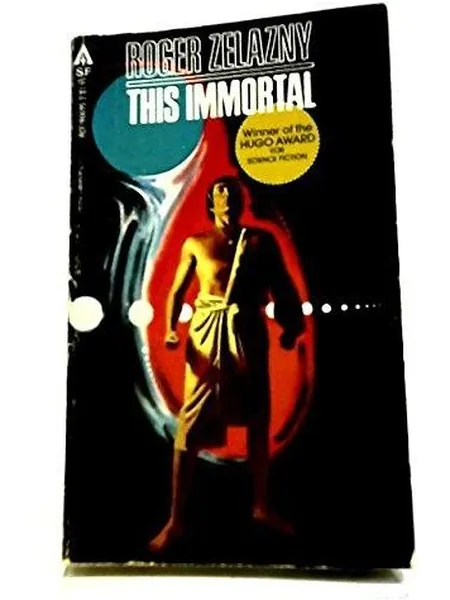
- 1This Immortal1965
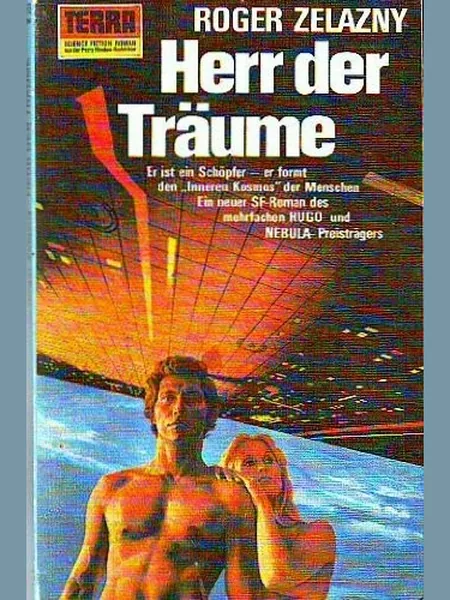
- 2The Dream Master1966
- 3Four for Tomorrow1967
- 4Lord of Light1967
- 5Creatures of Light and Darkness1969
- 6Damnation Alley1969
- 7Isle of the Dead1969
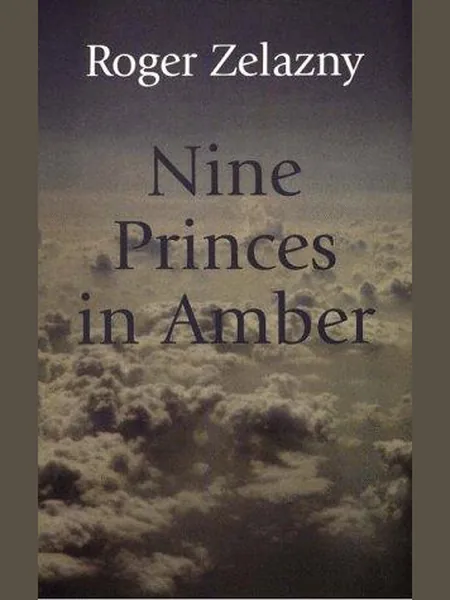
- 8Nine Princes in Amber1970
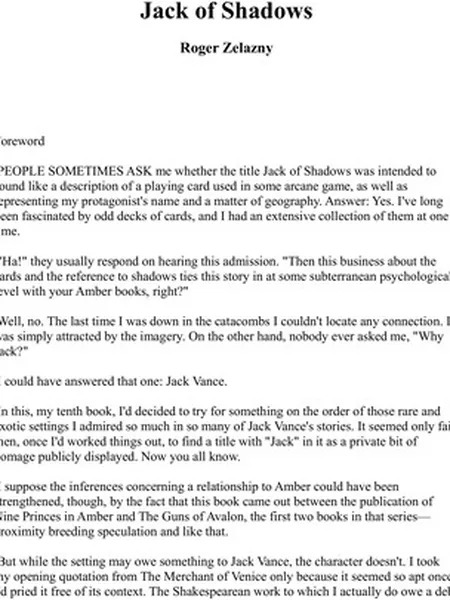
- 9Jack of Shadows1971
- 10The Chronicles of Amber1972
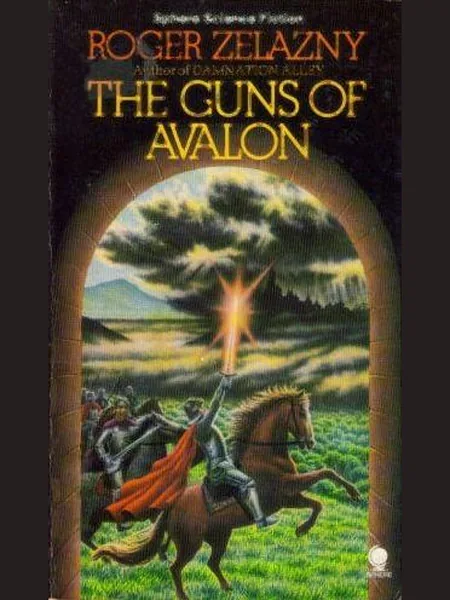
- 11The Guns of Avalon1972
- 12To Die in Italbar1973
Show all 31 books in order
- 13Sign of the Unicorn1975
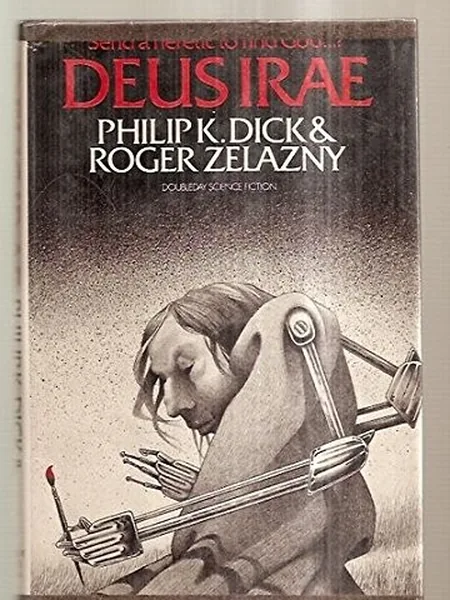
- 14Deus Irae1976
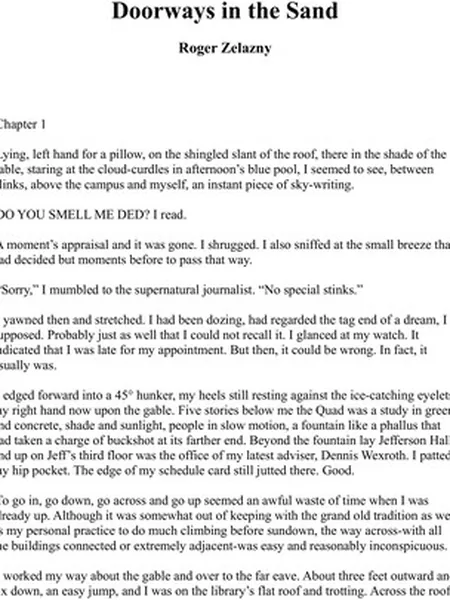
- 15Doorways in the Sand1976
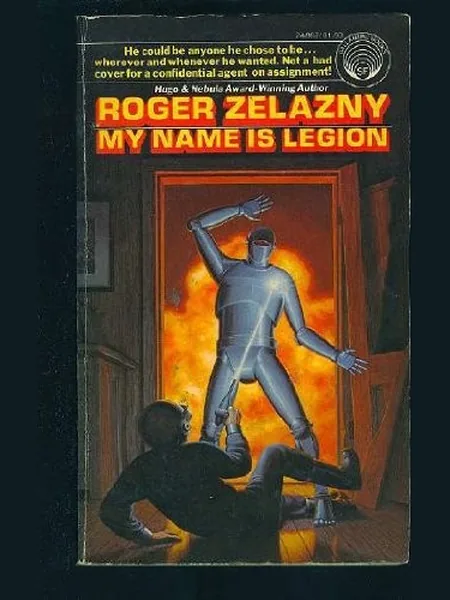
- 16My Name Is Legion1976
- 17The Hand of Oberon1976
- 18The Courts of Chaos1978
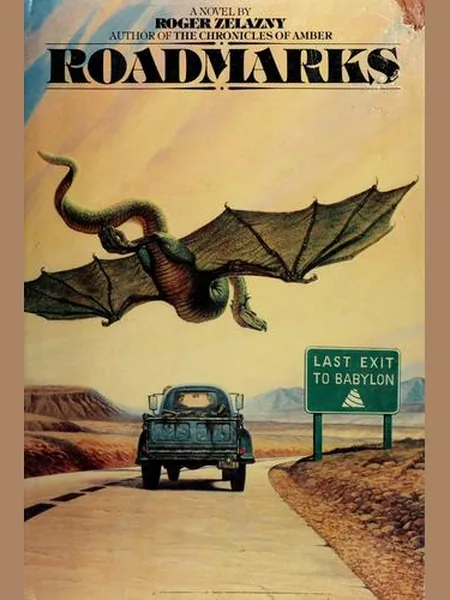
- 19Roadmarks1979
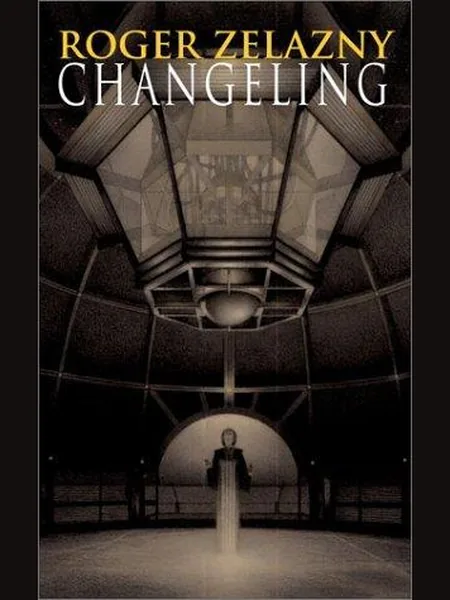
- 20Changeling1980
- 21The Last Defender of Camelot1980
- 22Eye of Cat1982
- 23Unicorn Variations1983
- 24Trumps of Doom1985
- 25Blood of Amber1986
- 26Sign of Chaos1987
- 27Knight of Shadows1989
- 28Bring Me the Head of Prince Charming1991
- 29Prince of Chaos1991
- 30A Night in the Lonesome October1993
- 31The Great Book of Amber1999
By series
- Nine Princes in Amber 1970
- The Guns of Avalon 1972
- Sign of the Unicorn 1975
- The Hand of Oberon 1976
- The Courts of Chaos 1978
- Trumps of Doom 1985
First editions, year by year
- 1966The Dream MasterAce Books
- 1967Lord of LightDoubleday
- 1969Damnation AlleyG.P. Putnam's Sons
- 1969Creatures of Light and DarknessAvon Books
- 1969Isle of the DeadAce Books
- 1970Nine Princes in AmberDoubleday
- 1971Jack of ShadowsNew American Library
- 1972The Chronicles of AmberNelson Doubleday
- 1972The Guns of AvalonDoubleday
- 1973To Die in ItalbarNew American Library of Canada
- 1976Doorways in the SandHarper & Row
- 1976Deus IraeDoubleday
- 1976The Hand of OberonDoubleday
- 1976My Name Is LegionBallantine Books
- 1978The Courts of ChaosDoubleday
- 1979RoadmarksBallantine Books
- 1980The Last Defender of CamelotPocket Books
- 1980ChangelingAce Books
- 1982Eye of CatTimescape Books
- 1983Unicorn VariationsTimescape Books
- 1985Trumps of DoomArbor House
- 1986Blood of AmberArbor House
- 1987Sign of ChaosNot Avail
- 1989Knight of ShadowsMorrow
- 1991Prince of ChaosMorrow
- 1991Bring Me the Head of Prince CharmingBantam Books
- 1993A Night in the Lonesome OctoberWilliam Morrow
- 1999The Great Book of AmberAvon Eos
Which edition do you have?







Frequently asked questions
What order should I read Roger Zelazny's books in?
In publication order they begin with This Immortal (1965), then The Dream Master (1966) and Four for Tomorrow (1967). Books in a series are listed in series order on this page.
What was Roger Zelazny's first book?
The earliest book we list is This Immortal, first published in 1965.
When was Roger Zelazny born?
Roger Zelazny was born in 1937 and died in 1995.
How many Roger Zelazny books does MyVolumes track?
We track 31 books by Roger Zelazny across 57 editions, 28 of them first editions.
Where these facts come from
- Roger Zelazny, Wikipedia (en.wikipedia.org)
- Zelazny, Roger, The Encyclopedia of Science Fiction (sf-encyclopedia.com)
- Nine Princes in Amber, Wikipedia (en.wikipedia.org)
- Lord of Light, Wikipedia (en.wikipedia.org)
Every fact on this page was checked against the sources listed. Checked 17 October 2026. Reviewed by Harriet Ellis; read how we check facts.