The difference between first edition vs first printing confuses almost everyone who starts collecting, and it explains why two books with "first edition" on the copyright page can differ in value a hundredfold. A first edition is every copy printed from the first setting of the text. A first printing is only the copies from the first press run of that edition.
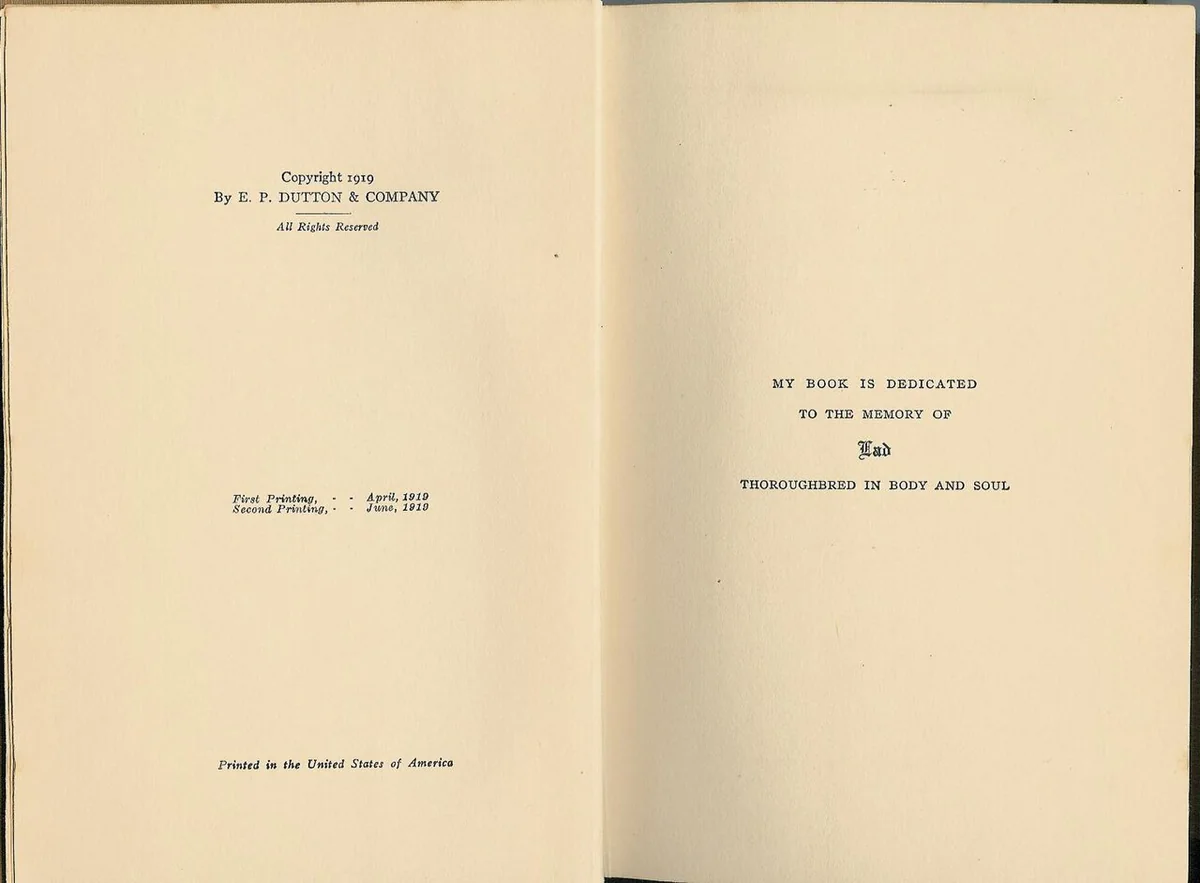

Booksellers in Britain tend to say first impression rather than first printing; the two mean the same. When a catalogue says "first edition, first impression", it is describing the copy collectors want most.
The short answer
Think of an edition as the type and an impression as a press run. While the publisher keeps printing from the same setting of type, every copy belongs to the first edition, however many years apart the runs are. Each run is a new impression.
So a book can honestly say "first edition" and still be a tenth impression from twenty years later. That is why collectors check the impression, not just the edition, and why our guide on how to identify a first edition starts with the copyright page.
First edition
In the strict bibliographical sense, the first edition is all copies printed from substantially the same setting of type as the first appearance. Corrections to a few lines do not create a new edition; resetting the whole text does.
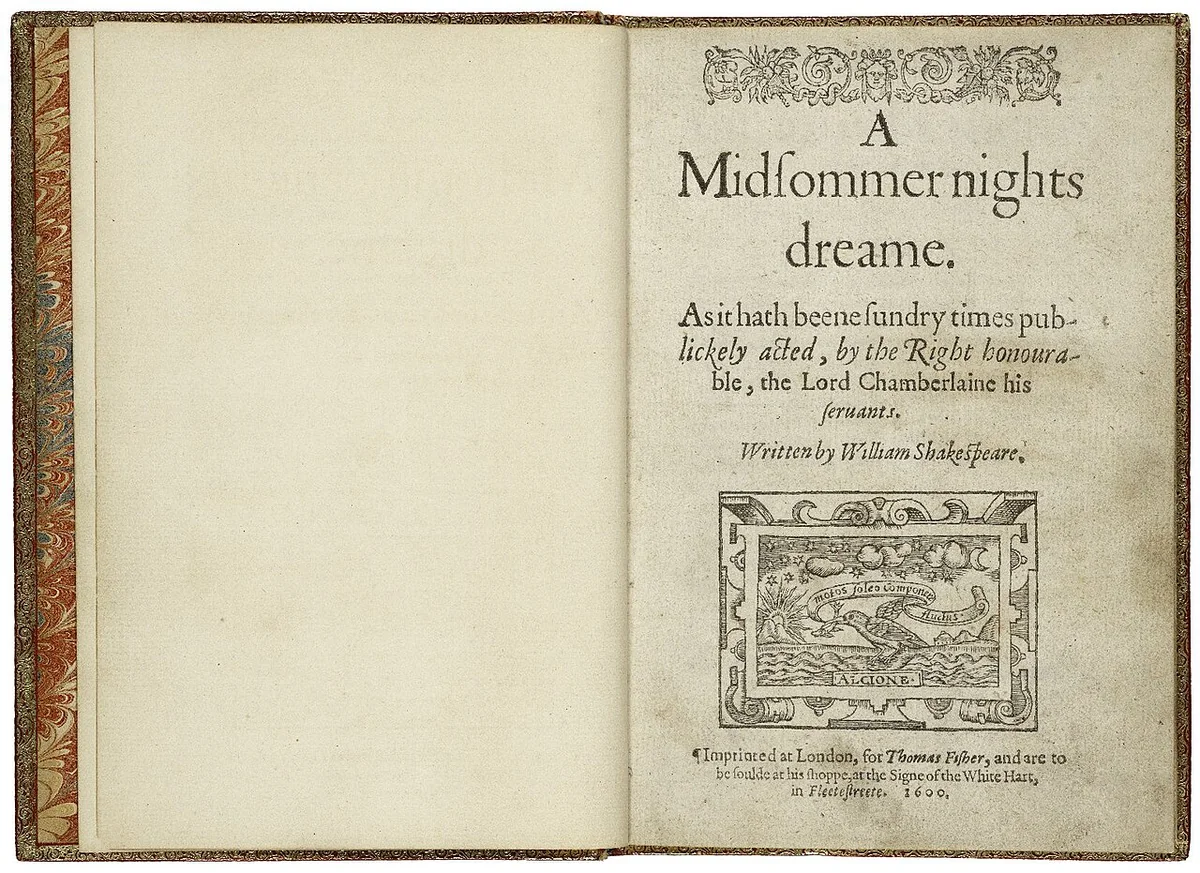

This is why the phrase on its own is so slippery. A publisher may print "First Edition" on the copyright page and leave it there for every reprint, because the edition really has not changed. Others remove the statement after the first run. The number line or a reprint note is usually what separates the runs.
First printing or first impression
The first printing is the very first run off the press. Its copies usually reach the shops on publication day and are the scarcest, because print runs for unknown authors were small.
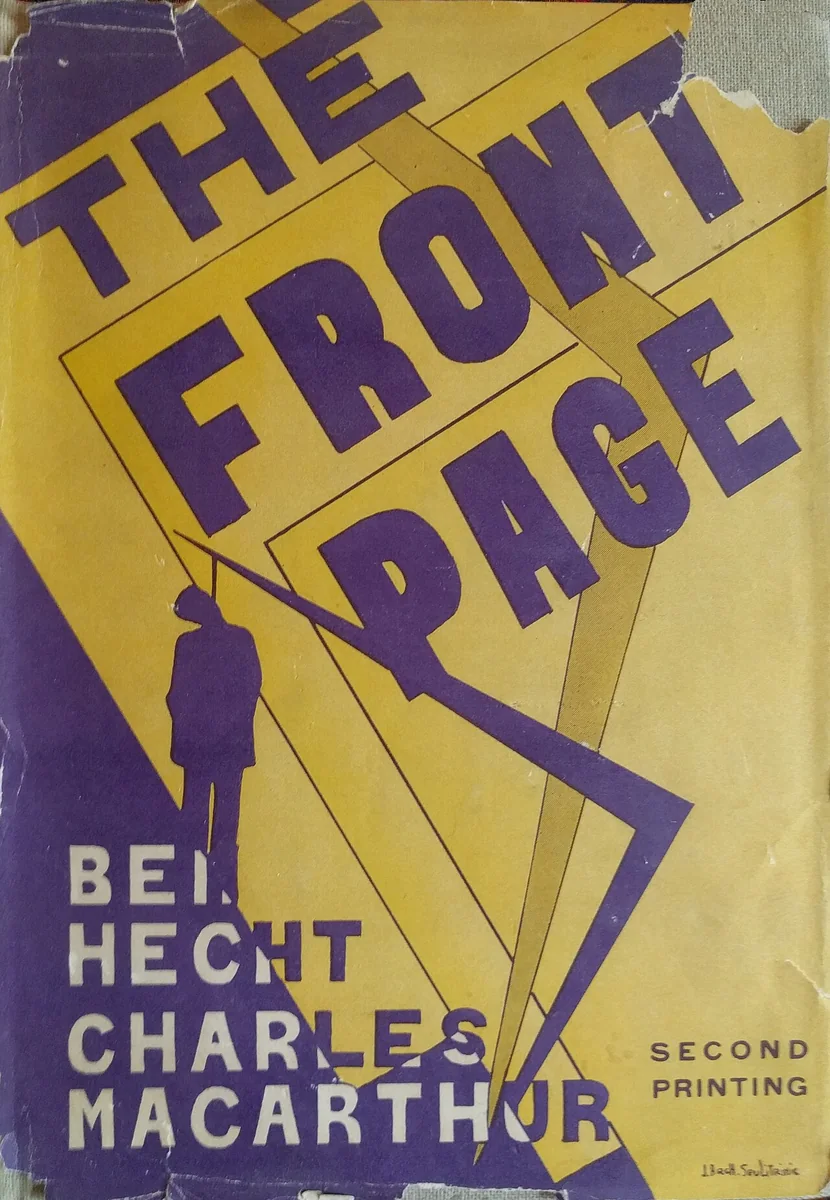
_Second_Edition.jpg)
Two famous examples show how small:
- The Hobbit. George Allen & Unwin published J.R.R. Tolkien's novel on 21 September 1937 in a first impression of 1,500 copies, which had sold out by December, according to Sotheby's. The second impression added colour plates, so a 1937 date alone does not make a copy a first impression.
- The Great Gatsby. Scribner's first printing in 1925 was 20,870 copies, and only 3,000 more were printed afterwards, according to Heather O'Donnell in Lapham's Quarterly.
When a seller says "first edition, second impression", they are being accurate: it is a first edition, but not the first printing.
First issue and first state
Even within a first printing, copies can differ. Bibliographers use two words for this, and they are not interchangeable.
- A state is a variant created during the printing, before publication. A misprint spotted and corrected part way through the run produces an early state and a later state.
- An issue is a deliberate change made after some copies had already been published, such as a cancelled leaf, a new title page or a different binding.
Collectors also apply "issue" to dust jackets. The first issue jacket of The Hobbit has the name Dodgson misspelt "Dodgeson" on the rear flap, corrected by hand in ink; Bonhams sold a first impression in that jacket for £18,750 in June 2014. Our guide to points of issue explains how these details are recorded.
First thus
First thus means the first appearance of a book in a particular form: a new publisher, a new translation, a revised text, a new introduction or a newly illustrated edition. A Folio Society edition with new illustrations, for example, is a first thus.
These can be collectable in their own right, especially when the illustrator is admired. They are not, though, the first edition of the work, and a listing that says "first thus" is telling you that plainly.
First UK edition and true first
Many books were published in more than one country, often months apart and from different settings of type. Each country then has its own first edition.
- The first UK edition is the first edition published in Britain. Its copyright page often reads "First published in Great Britain in" a given year, which signals that an earlier edition may exist abroad.
- The true first is the earliest edition anywhere in the world.
Herman Melville's novel is the classic case. Richard Bentley published it in London as The Whale on 18 October 1851, in three volumes, and Harper and Brothers followed in New York with Moby-Dick on 14 November 1851, according to the Beinecke Library at Yale. The London edition is the true first, even though the American one carries the title everyone knows.
The terms compared
| Term | What it means | Typical example | How it affects value |
|---|---|---|---|
| First edition | All copies from the first setting of the text | Any printing of the 1937 Hobbit | Broad; later impressions are worth much less |
| First printing / first impression | Copies from the first press run only | The 1,500 copies of the 1937 Hobbit | The copy most collectors want |
| First issue | Copies before a deliberate change made after publication | A jacket before a correction or a new price | Earlier issue usually worth more |
| First state | Copies before a correction made during printing | Copies with an uncorrected misprint | Earlier state usually worth more |
| First thus | First appearance in a new form | A newly illustrated Folio edition | Collectable on its own terms |
| First UK edition | First edition published in Britain | The 1997 Bloomsbury Philosopher's Stone | Key for UK collectors |
| True first | Earliest edition anywhere | The London edition of The Whale, 1851 | Usually the highest value |
Which one should you collect?
For most collectors the target is the first printing of the first edition, in the best condition you can afford, ideally with its original jacket. That is the copy auction houses describe as a first edition, first impression.
Later impressions are a sensible way into an author whose firsts are out of reach. They are honest books with their own history, and a second impression can follow within months of the first, as The Hobbit's did in 1937. Just make sure you pay a later impression price, not a first impression price.
When you read a listing, the wording tells you a lot:
- "First edition, first impression" or "first printing" is the strongest claim and should be backed by the copyright page and any points.
- "First edition" with no impression stated may be a later printing. Ask the seller, or ask for a photograph of the copyright page.
- "First edition, later impression" is an honest description of a reprint from the original setting.
- "First UK edition" or "first thus" tells you an earlier edition exists somewhere.
For British authors, the Harry Potter and Modern First Editions hubs show how these distinctions play out on real titles, and the glossary defines each term in a sentence.
Check your copy
Search for your book in Browse, or list the first printings in our catalogue, and open the edition page. Each one lists the printings we know of, with the points that separate them, so you can see whether your copy is a first impression, a later impression or a different edition altogether.
Frequently asked questions
Is a first edition the same as a first printing?
No. A first edition covers every printing made from the first setting of the text, while a first printing is only the copies from the first press run. A first edition, fifth printing is still a first edition, but collectors pay far more for the first printing.
What does "first edition, second impression" mean?
It means the book was printed from the same setting of type as the first edition, but in the second press run. It is a genuine first edition in the bibliographer's sense, though it is usually worth much less than a first impression.
What is a true first?
A true first is the first printing of the earliest edition of a work anywhere in the world. If a novel was published in London before New York, the London first printing is the true first.
What does "first thus" mean?
First thus means the first appearance of a book in a particular form, such as a new publisher, a new translation, a revised text or a newly illustrated edition. It can be collectable, but it is not the first edition of the work.
What is the difference between an issue and a state?
A state is a variant created during printing, before publication, such as a correction made part way through the run. An issue is a deliberate change made after some copies had already been released, such as a new title page.
Where these facts come from
- Printer's key, Wikipedia (en.wikipedia.org)
- A Guide to Identifying J.R.R. Tolkien First Editions, Sotheby's (sothebys.com)
- Tolkien, The Hobbit, first edition, first impression, Bonhams, 2014 (bonhams.com)
- The Gatsby Index, Heather O'Donnell, Lapham's Quarterly, 2015 (laphamsquarterly.org)
- Moby Dick: Context and Resources, Beinecke Rare Book and Manuscript Library, Yale (beinecke.library.yale.edu)
- First Edition Identification by Publisher, Allen and Patricia Ahearn, ILAB, 2010 (ilab.org)
Points of issue are listed only where at least two independent sources agree. Last reviewed 17 October 2026.
Last reviewed 17 October 2026.