- Harper & Row was formed in 1962 when Harper & Brothers merged with Row, Peterson, and became HarperCollins in 1990.
- It inherited the Harper & Brothers practice of printing "First Edition" on the copyright page of a first printing.
- From 1912 Harper & Brothers also printed two code letters on the copyright page for the month and year of printing: months run A (January) to M (December) skipping J, and years start at M for 1912 and run through the alphabet, again skipping J.
- Where a number row appears on the copyright page, the lowest figure is the printing, whatever order the figures run in (1 2 3 4 5, 1 3 5 4 2 or 5 4 3 2 1), so a row that still includes 1 normally means a first printing.
- Book-of-the-Month Club copies are usually the same size and quality as the trade edition, so size is no guide. Look instead for a jacket with no price on the front flap and a small blind stamp (a dot, circle or square) low on the rear board. BOMC printed prices on some jackets in the 1970s, but those copies still carry the blind stamp.
- A rear-board mark is not always a club sign: a few very large printings were shared between printing plants, each of which embossed its own mark.
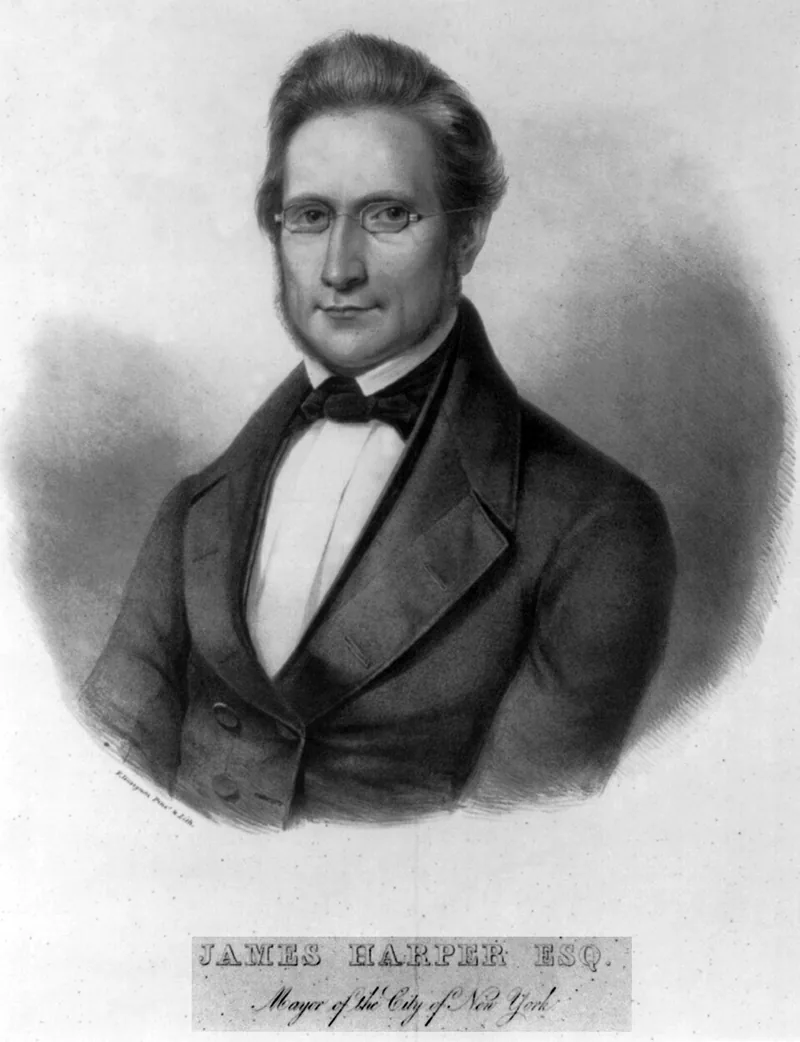
Publisher · founded 1817 · New York City
Harper & Row
Harper & Row was the New York publisher formed in 1962 from Harper & Brothers (founded 1817), first publisher of Where the Wild Things Are, and merged into HarperCollins in 1990.
- Editions tracked
- 367
- First editions
- 251
- Books
- 356
- Years
- 1928 to 2021
About Harper & Row
Harper & Row was the New York publishing house formed in 1962 when Harper & Brothers merged with Row, Peterson & Company; in 1990 it combined with William Collins, Sons to become HarperCollins.
Its origins lie in J. & J. Harper, founded in New York on 6 March 1817 by the brothers James and John Harper. The firm became Harper & Brothers in 1833 when Joseph and Fletcher Harper joined, and launched Harper's New Monthly Magazine in 1850 and Harper's Weekly in 1857.
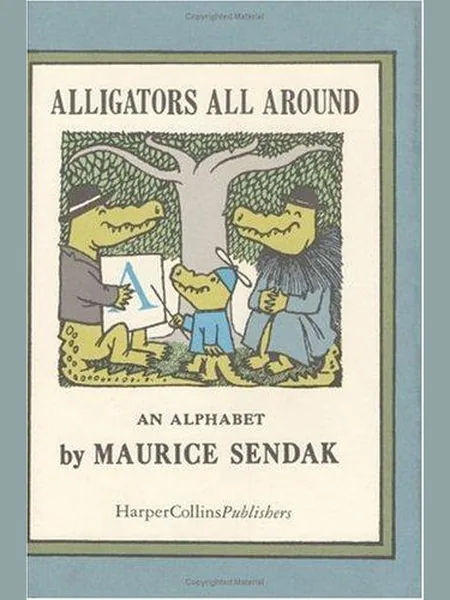
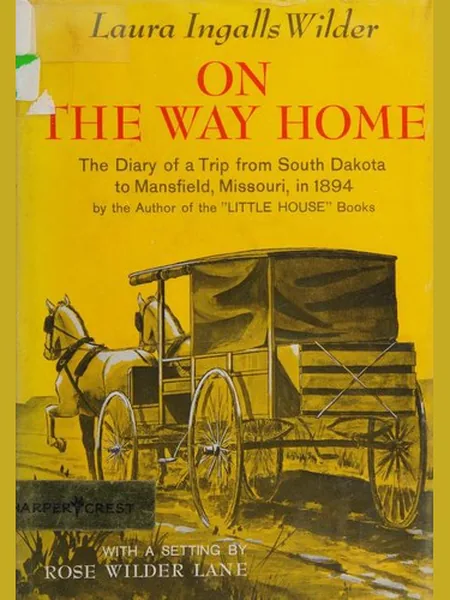
As Harper & Row the house had a strong children's list. It first published Maurice Sendak's Where the Wild Things Are (13 November 1963) and Shel Silverstein's The Giving Tree (7 October 1964), and the wider Harper house also published Laura Ingalls Wilder, E. B. White and Ursula K. Le Guin. In the 1970s it bought Thomas Y. Crowell and J. B. Lippincott, folding their trade lists into Harper & Row in 1980; it moved religious publishing to San Francisco in 1977 and bought Zondervan in 1988.
News Corporation acquired Harper & Row in 1987 and merged it with Collins in 1990 to form HarperCollins, whose main imprint has been called simply Harper since 2007.
Identification
How to identify Harper & Row first editions
Authors
Books
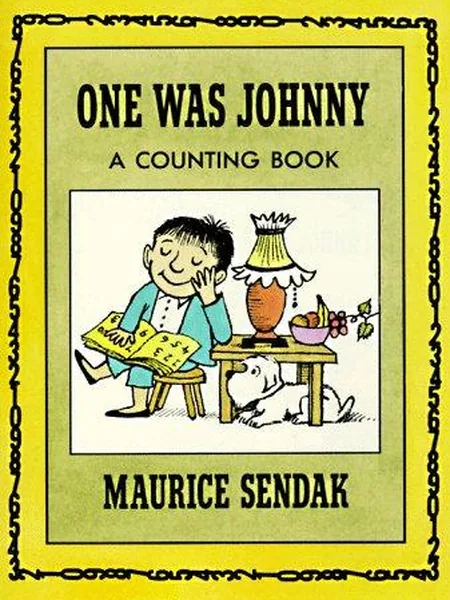
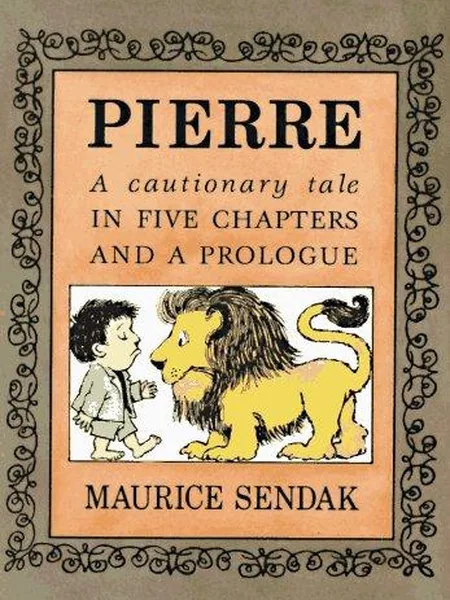
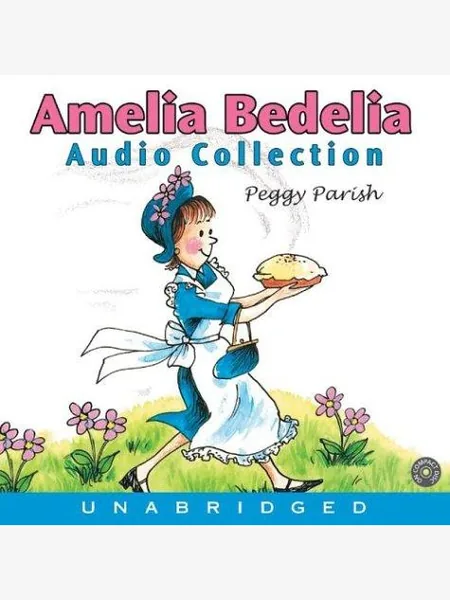
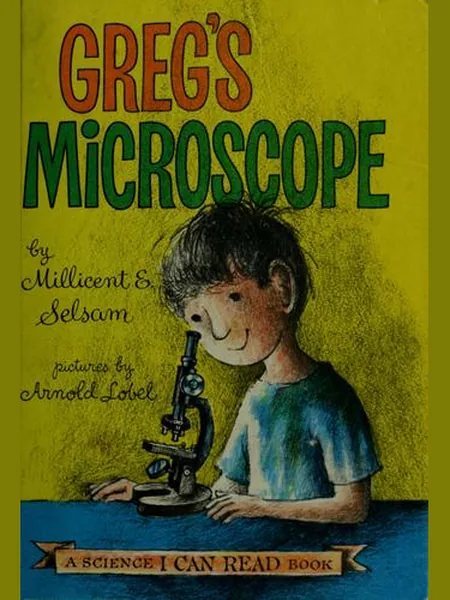
Published by Harper & Row





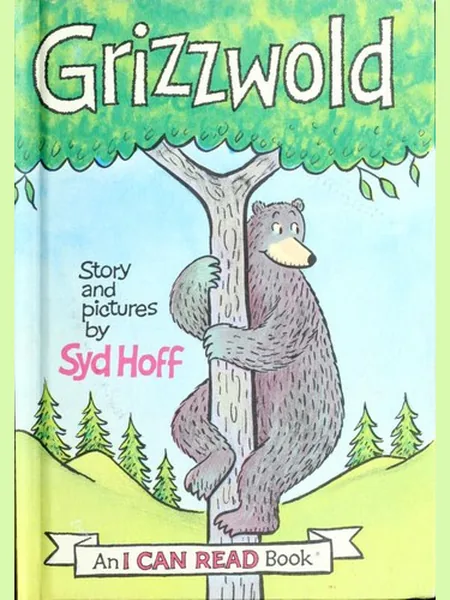
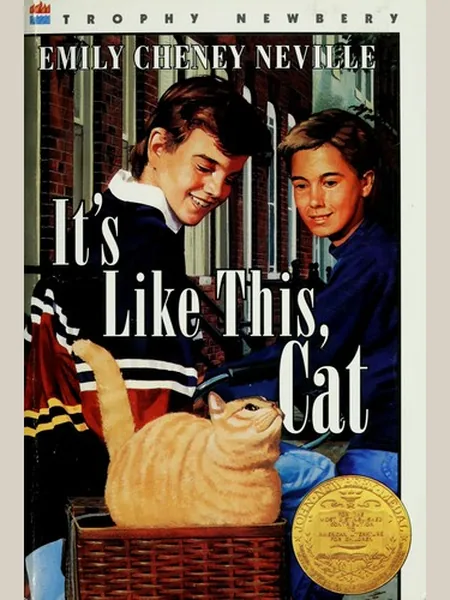


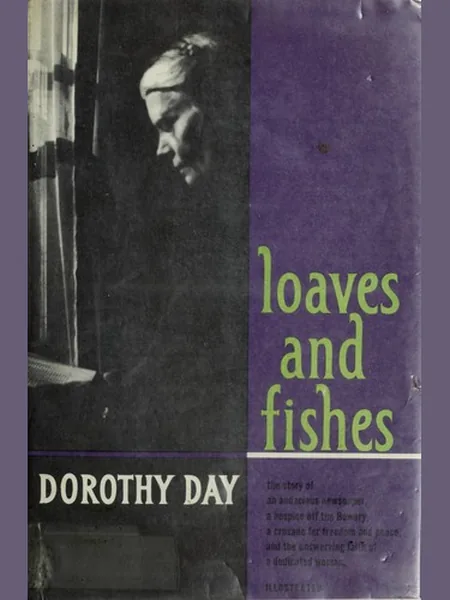

Frequently asked questions
How do I identify a Harper & Row first edition?
- Harper & Row was formed in 1962 when Harper & Brothers merged with Row, Peterson, and became HarperCollins in 1990. - It inherited the Harper & Brothers practice of printing "First Edition" on the copyright page of a first printing. - From 1912 Harper & Brothers also printed two code letters on the copyright page for the month and year of printing: months run A (January) to M (December) skipping
How many Harper & Row books does MyVolumes track?
We track 367 editions published by Harper & Row, 251 of them first editions, across 356 books.
Where these facts come from
- Harper (Q3127696), Wikidata (wikidata.org)
- Where the Wild Things Are, Wikipedia (en.wikipedia.org)
- The Giving Tree, Wikipedia (en.wikipedia.org)
- Harper (publisher), Wikipedia (en.wikipedia.org)
- First Editions of Today and How to Tell Them (3rd edn), H. S. Boutell, Internet Archive, 1949 (archive.org)
- First-Edition: Identification by Publisher (Allen and Patricia Ahearn), ILAB, 2010 (ilab.org)
- Printer's key, Wikipedia (en.wikipedia.org)
- Identifying First Editions, A Primer: In General, IOBA (ioba.org)
- Book Club Edition Identification, TomFolio (tomfolio.com)
- How To Identify Book Club Editions (part 2), BookThink, 2008 (bookthink.com)
Every fact on this page was checked against the sources listed. Checked 17 October 2026. Reviewed by Harriet Ellis; read how we check facts.