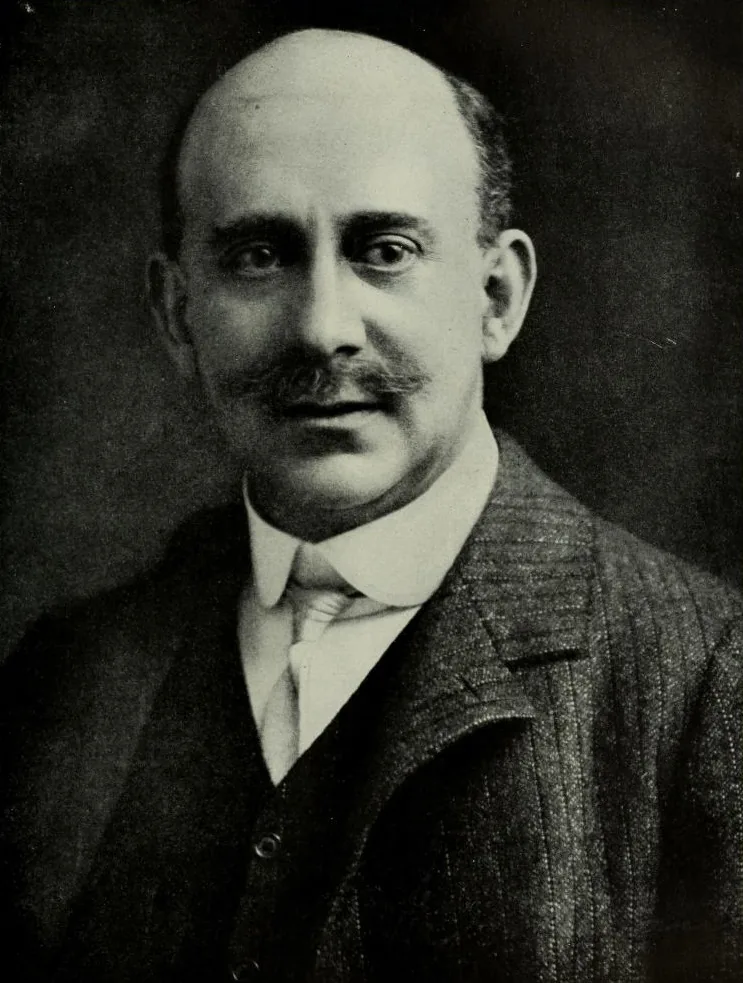
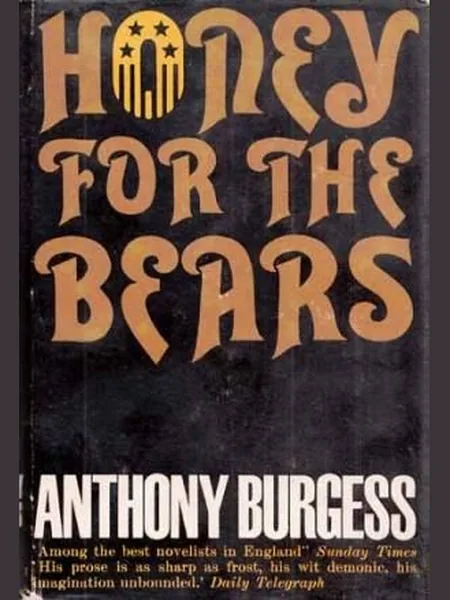
William Heinemann Ltd is a London publisher founded in 1890, home to Wells, Maugham and Greene and first publisher of Achebe's Things Fall Apart, whose trade list is now Hutchinson Heinemann at Penguin Random House.
Heinemann is a publisher based in London, founded in 1890. We track 642 editions it published between 1890 and 2019, 263 of them first editions across 639 books. How Heinemann marked its first editions is set out below, with a checker for the year on your title page.
About Heinemann
William Heinemann Ltd is a London publishing house set up in 1890 by William Heinemann, a general trade publisher of fiction, plays and non-fiction whose list took in H. G. Wells, Rudyard Kipling, W. Somerset Maugham and Graham Greene.
Its first book, Hall Caine's The Bondman (1890), was a huge seller, passing 450,000 copies. Sydney Pawling became a partner in 1893. Through the 1920s the list carried Wells, Kipling, Maugham, George Moore, Max Beerbohm and Henry James, and that roster drew newer writers such as Graham Greene, J. B. Priestley and Vita Sackville-West to publish their first editions there; Greene's first book with the firm came in 1929. Later landmarks include Chinua Achebe's Things Fall Apart (17 June 1958), issued in a hardback run of about 2,000 copies, and Sylvia Plath's The Bell Jar (14 January 1963), which appeared under the pen name Victoria Lucas. Heinemann Educational Books founded the African Writers Series, with Achebe as its first advisory editor.
After William Heinemann died in 1920 the American house Doubleday took a majority holding, which it sold in 1933. The firm then passed to the Thomas Tilling group, to Octopus in the 1980s and to Reed International in 1987. Random House bought the trade list in 1997; English-language teaching went to Macmillan in 1998, and in 2007 the remaining educational arms were divided between Pearson and Houghton Mifflin. In 2021 Penguin Random House joined its William Heinemann imprint with Hutchinson to form Hutchinson Heinemann, part of Cornerstone.
Holding a copy? The first edition checker shows Heinemann's practice for the year on your title page.
Identification
How to identify Heinemann first editions
What to look for
Before the 1920s. A first edition carries the year of publication on the title page, under the imprint. Reprints either lose that date or gain a notice such as "Second Edition" or "Second Impression", so a first is a copy with a dated title page and no reprint notice.
From the 1920s. The back of the title page carries a printing history. A first edition reads "First published" followed by the year, with no further lines; each later impression or new edition adds its own dated line beneath it.
Examples
Our Man in Havana (Heinemann, 1958): the Varshavsky Collection's first edition, first printing reads "First published 1958" on the verso with no later impression listed, above the printer's credit to The Windmill Press, Kingswood, Surrey. Its unclipped jacket is priced 15s net on the front flap.
Before the 1920s. A first edition carries the year of publication on the title page, under the imprint. Reprints either lose that date or gain a notice such as "Second Edition" or "Second Impression", so a first is a copy with a dated title page and no reprint notice. From the 1920s. The back of the title page carries a printing history. A first edition reads "First published" followed by the year
How many Heinemann books does MyVolumes track?
We track 642 editions published by Heinemann, 263 of them first editions, across 639 books.
Sources
Where these facts come from
First-Edition: Identification by Publisher (Allen and Patricia Ahearn), ILAB, 2010 (ilab.org)
First Editions of To-Day and How to Tell Them (H. S. Boutell), Internet Archive, 1929 (archive.org)
Boutell's First Editions of To-Day (Laurence Worms), Ash Rare Books, 2019 (ashrarebooks.com)